Plugs for E-Coat: Why Silicone and How They Stay
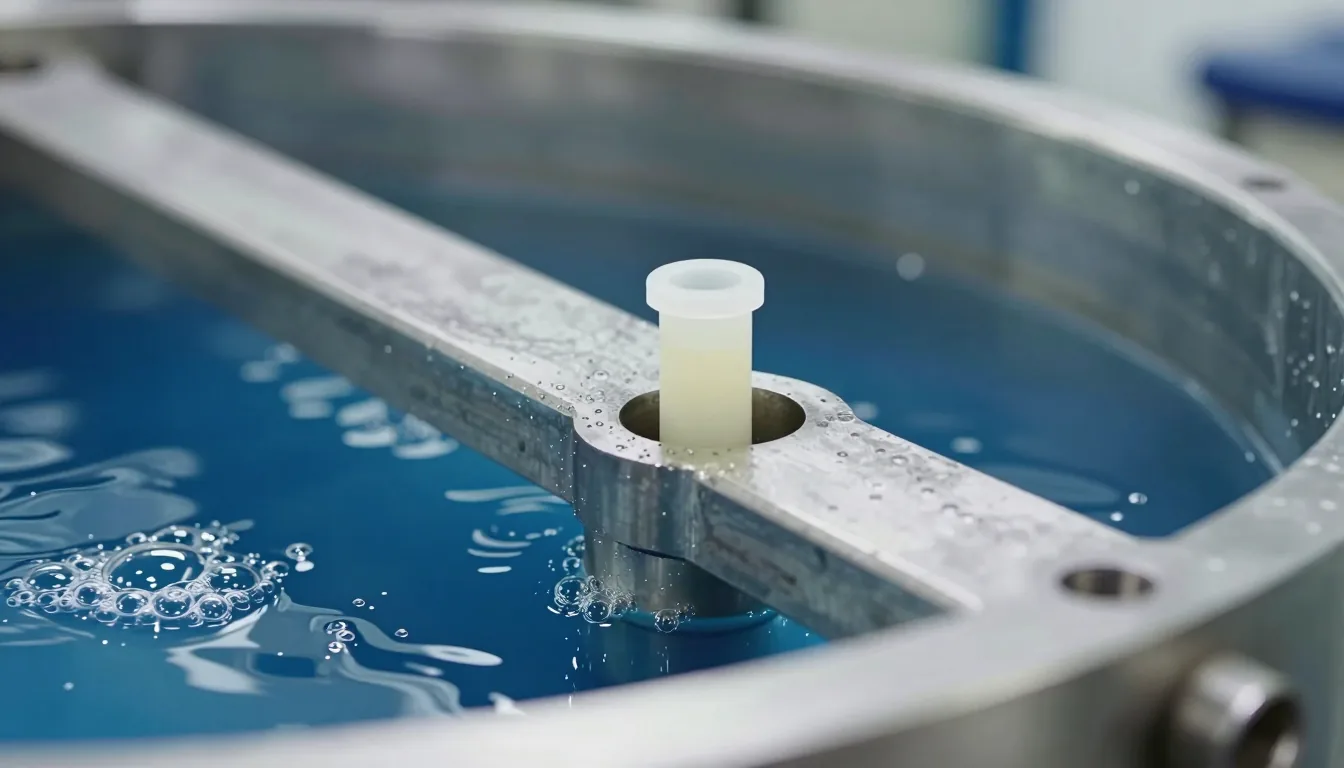
Understanding the Harsh E-Coat (Cathodic Electrodeposition) Environment
Electrocoating, or e-coat, applies a uniform primer layer to complex metal parts using an electric current. To succeed, you must use plugs that withstand high heat and resist the chemical bath. This is the primary reason silicone is the standard choice for masking in this process. Plugs for e-coat face a unique set of challenges. Unlike painting, the coating is applied in a liquid bath under electrical force, which demands specific material properties from your masking plugs. Choosing the wrong plug leads to costly failures.
180-200°C Curing Temperature Resistance
After the coating process, parts enter an oven to cure the paint. These temperatures typically range from 180-200 °C. Many common plastics cannot handle this heat without deforming, melting, or releasing contaminants into the paint bath. Your plug must remain structurally sound and dimensionally accurate throughout this entire thermal cycle.
Chemical Bath Interactions
The e-coat bath is a water-based suspension of resin and pigments, often with additives for corrosion protection. The plug material must be chemically inert to prevent leaching or degradation. It also cannot absorb the liquid, which would contaminate the bath and create defects on your parts. A plug that fails this basic requirement compromises the entire production run.
The Risk of Plugs Floating and Shifting in the Bath
The primary mechanical challenge in e-coat masking is keeping the plug in place against upward buoyancy and fluid pressure. A successful strategy combines a low-density material with a positive locking geometry. If the plug floats or shifts, paint enters the hole you intended to keep clean, resulting in a defective part.
Parts are typically lowered into the bath on a conveyor system. The movement of the part itself, combined with the circulation of the coating liquid, creates dynamic forces on any masking element. A plug relying on simple friction or gravity is at a high risk of failure. These forces can push the plug out of its seat or cause it to tilt, breaking the seal.
Buoyancy and Sliding Dynamics in the Bath
Buoyancy is a constant upward force. Since most plugs are made of solid materials, their density relative to the bath liquid determines this force. A standard rubber plug has a higher density and will tend to sink, potentially falling out of a vertical or downward-facing hole. This is a significant design flaw for many applications. The plug's density must be carefully considered in relation to the hole orientation.
Fluid Turbulence and Liquid Pressure
Turbulence within the tank is another key factor. Inlet jets and part movement create localized high-pressure zones. This fluid pressure can act directly on the exposed face of a plug, trying to force it out of the hole. A plug with a large surface area exposed to the liquid will experience a greater total force. This is why the geometry of the plug, not just the material, is critical to its performance in a high-velocity flow environment.
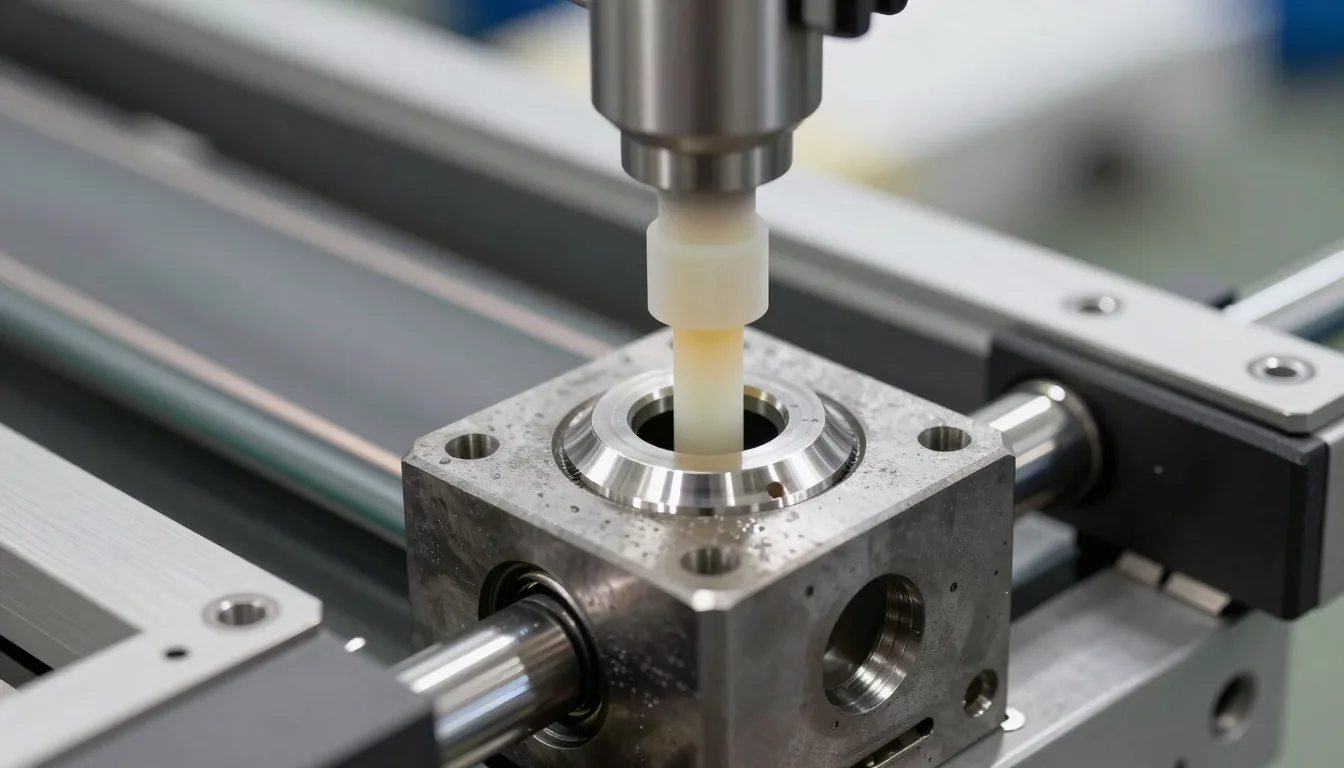
The Effect of Electrostatic Pull on Plug Position
E-coat relies on electrostatic attraction, which is the core of the entire process. This force pulls the charged paint particles toward the grounded metal part. A plug must resist this force to remain clean and maintain a sharp edge definition at the hole's boundary. Failure here leads to fuzzy paint lines and coating build-up on the plug itself. The voltage potential between the part and the tank creates a strong field. Any object protruding from the part, especially one that is conductive, will become part of this field. The field lines concentrate at sharp edges and protruding points. This makes the plug itself a target for deposition, which is a critical failure mode.
Electrostatic Pull and Paint Buildup Mechanism
The goal is to prevent paint from adhering to the plug's surface or creeping underneath it. If the plug has any surface conductivity, it can attract particles. More critically, the electric field can "pull" the liquid paint into the microscopic gap between the plug and the hole wall. This causes paint to seep under the masking material, ruining the clean line you need. The plug must effectively break this electrical path and create a positive barrier against fluid ingress. This is a subtle but decisive factor in the quality of the final masked edge.
Why Silicone is the Ideal Material for E-Coat
Silicone solves the specific challenges of the e-coat process through its unique physical and thermal properties. It is naturally non-stick to the e-coat chemistry and possesses a density that prevents buoyancy problems. This makes it the default material choice for professional masking in this industry. A plug's material dictates its success or failure. Silicone's properties directly counter the two main enemies of the e-coat plug: paint adhesion and thermal damage. It is not just a generic rubber; it is a purpose-built material for this application. Understanding these properties helps in making an informed decision.
Non-Stick (Release Resistance) Properties
Silicone has a low surface energy, which means e-coat paint does not bond strongly to it. After curing, the paint can be easily removed from the plug, often in a single piece. This allows for easy plug re-use, as the plug body itself remains clean and ready for the next cycle. A non-stick surface ensures that paint builds up on the plug, which can create a "cap" that falls off into the bath, causing contamination. Clean plugs mean a cleaner process and lower maintenance costs for your e-coat line.
Wide Temperature Tolerance Range (-90/+315°C)
The verified operating range of -90°C to +315°C is far beyond what is needed for e-coat. This enormous safety margin ensures the plug remains flexible and dimensionally stable at the 180-200°C curing temperature. Many rubber compounds will harden and crack under these conditions. Silicone will not. It maintains its elasticity, allowing it to stay seated in the hole during the thermal expansion and contraction cycles of the metal part. This reliable performance across temperature extremes is a key advantage.
Conical and Flanged Plug Designs to Withstand Liquid Pressure
Mechanical design is as important as material choice. The plug's shape must be engineered to lock itself in place against the forces of fluid pressure. Conical and flanged designs provide positive retention, preventing ejection from the hole. These geometries are critical for reliable masking. A plug held in place only by friction will fail. It needs a feature that physically prevents it from being pushed out. The shape of the plug interacts with the shape of the hole to create a mechanical lock. This is a basic but essential principle of good e-coat masking design.
The Advantage of Conical Designs in Pressure Distribution
A conical plug works on the wedge principle. As fluid pressure pushes against the wider part of the cone, it drives the plug deeper into its tapered seat. This creates a positive seal. Instead of fighting against the pressure, the plug's design uses that pressure to its advantage. This self-energizing effect ensures that even under high turbulence, the plug maintains or even improves its seal. It is a simple and effective passive locking mechanism.
Mechanical Locking with Flanged Models
A flange is a physical stop on top of the plug. It sits on the surface of the part, preventing the plug from being pushed entirely through the hole. The flange must be wide enough to bridge the hole. This design is crucial for through-holes or holes with no bottom. The flange acts as a mechanical anvil against which the plug body presses. This positive stop eliminates any possibility of the plug being forced out of the hole by liquid pressure, providing absolute reliability.
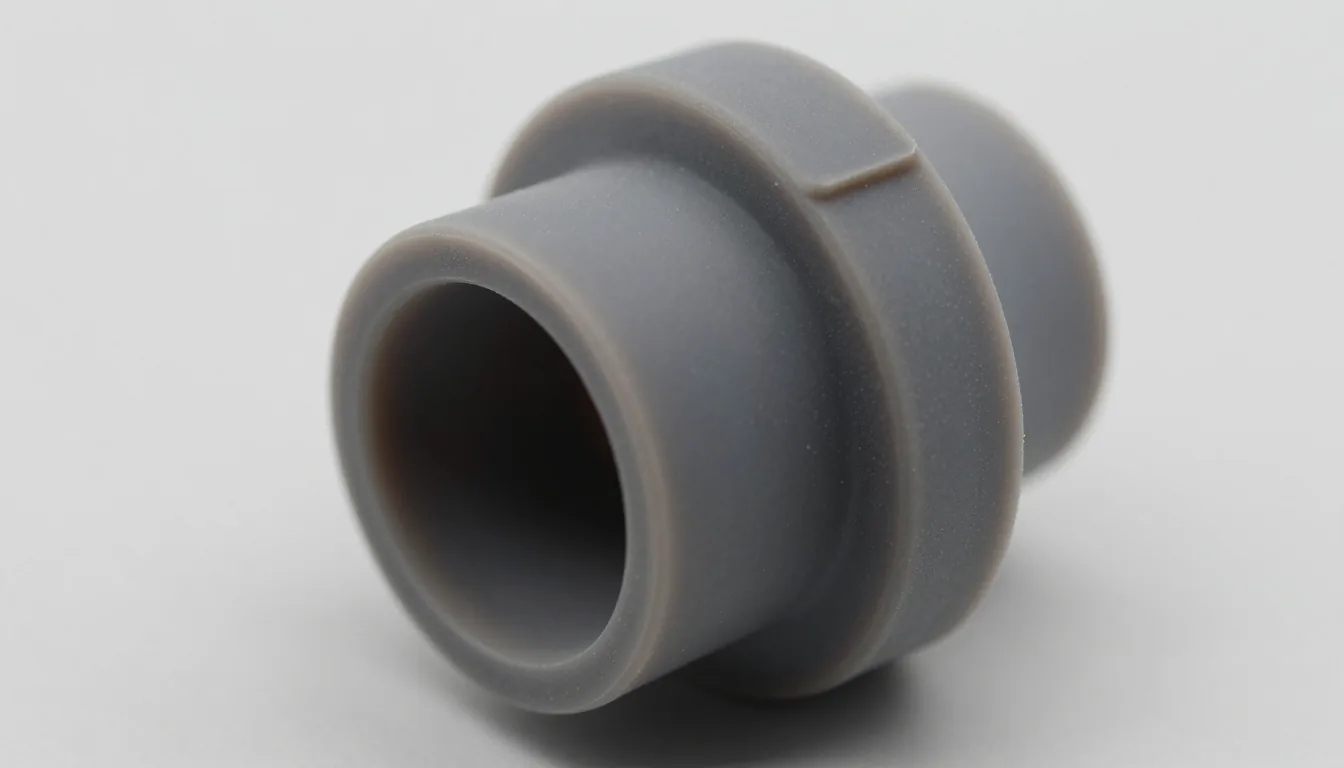
Retention Guarantee with Retainer and Stepped Systems
For the most demanding applications, especially where high throughput is required, simple friction and wedges are not enough. Retainer systems and stepped plugs provide a more robust solution. These are designed to be used with tooling that locks them in place for the entire process cycle. These systems shift the locking responsibility from the plug itself to an integrated tooling system. The plug becomes part of a larger fixture, which is secured to the main product fixture before entering the bath. This is a common strategy for automotive and high-volume consumer goods.
Removal Ease and Speed Optimization
The primary benefit of a retainer system is speed. Removing a firmly wedged plug with a tool can be slow and can risk damaging the part. A plug on a retainer can be removed in one motion, pulling an entire bank of them at once. This optimization reduces labor time and increases line throughput. The speed advantage is a direct result of the design's focus on ease of removal after the process is complete, which is a key part of overall line efficiency. These designs are about making the masking process fast and repeatable.
High-Security Plugging with SWC Flanged Plugs
When a hole is exposed to maximum turbulence or the risk of plug ejection is extreme, the SWC flanged plug is the answer. Its design combines a large contact area with a robust mechanical stop. This creates a high-security barrier that ensures a clean hole every time. The SWC series is engineered specifically for high-reliability masking. Its dimensions and material properties are optimized for the unique stresses of the e-coat line. It represents the top tier of plug security for critical applications.
These plugs are designed to resist the forces we have discussed. The large flange distributes the holding force over a wider area of the part. The body is sized to create a powerful sealing fit. Together, these features make the SWC plug a dependable component in your masking strategy. It is the go-to choice for engineers who prioritize part integrity and reject rates over minor cost savings.
Adapting to Precise Hole Sizes with SCT and SPP Series
Not all holes are standard. Different hole diameters, depths, and shapes require specific plug geometries. The SCT conical and SPP stepped plugs offer solutions for this diversity. They provide a wide range of options for precise masking of any hole. A one-size-fits-all approach does not work in precision masking. You must match the plug's geometry to the hole's specific characteristics. This ensures a proper seal and prevents common defects like plug deformation or paint bleed. The variety in the product line is what makes the system work for so many different applications.
- Use SCT Flanged Conical Plugs for standard holes where the primary concern is maintaining a seal under fluid pressure.
- For non-standard or unusually shaped holes, SPP Stepped Plugs allow for a deeper and more secure fit within the hole cavity.
Threaded Plugs (DFP) and Lifecycle Management for Repeated Use
Threaded plugs like the DFP series introduce a different retention mechanism: screw threads. These plugs are ideal for threaded holes or specialized applications where positive mechanical locking is needed. Their robust construction makes them perfect for repeated use in high-cycle environments. The DFP design uses threads to create an airtight and liquid-tight seal. This is superior to friction-based methods in many high-pressure scenarios. The plug engages directly with a feature in the hole, making it exceptionally secure.
This plug type is designed for durability. Its threaded body resists cross-threading and withstands repeated installation cycles. The material resists the e-coat chemistry, preventing degradation over time. Lifecycle management is crucial. A threaded plug that can be reused 50 times is more cost-effective and less wasteful than one that is destroyed after a single use. Choosing a durable, reusable plug like the DFP directly impacts your operational efficiency and sustainability profile, offering long-term value and consistent performance.
A Plugging Strategy that Drives E-Coat Error Costs to Zero
The ultimate goal of an e-coat masking strategy is zero defects from plugging errors. This requires a systematic approach that considers hole type, process forces, and plug geometry. It is about matching the right tool to the right problem. A successful strategy is not based on a single product. It is built on a library of well-understood masking solutions that can be deployed with precision. This allows you to address any masking challenge that appears in your engineering drawings.
| E-Coat Challenge | Risk of Failure | Recommended Plug Strategy |
|---|---|---|
| High-Temperature Curing (180-200°C) | Plug melting or contaminating the bath | Silicone Plugs (-90/+315°C range) |
| Buoyancy in Downward-Facing Holes | Plug floating out and contaminating paint | High-Density Silicone & Positive Flange |
| Fluid Pressure & Turbulence | Plug ejection and paint bleed-in | Conical Plugs & Retainer Systems |
| Electrostatic Pull | Paint accumulation on plug and fuzzy edges | Non-stick Silicone & Secure Sealing Geometry |
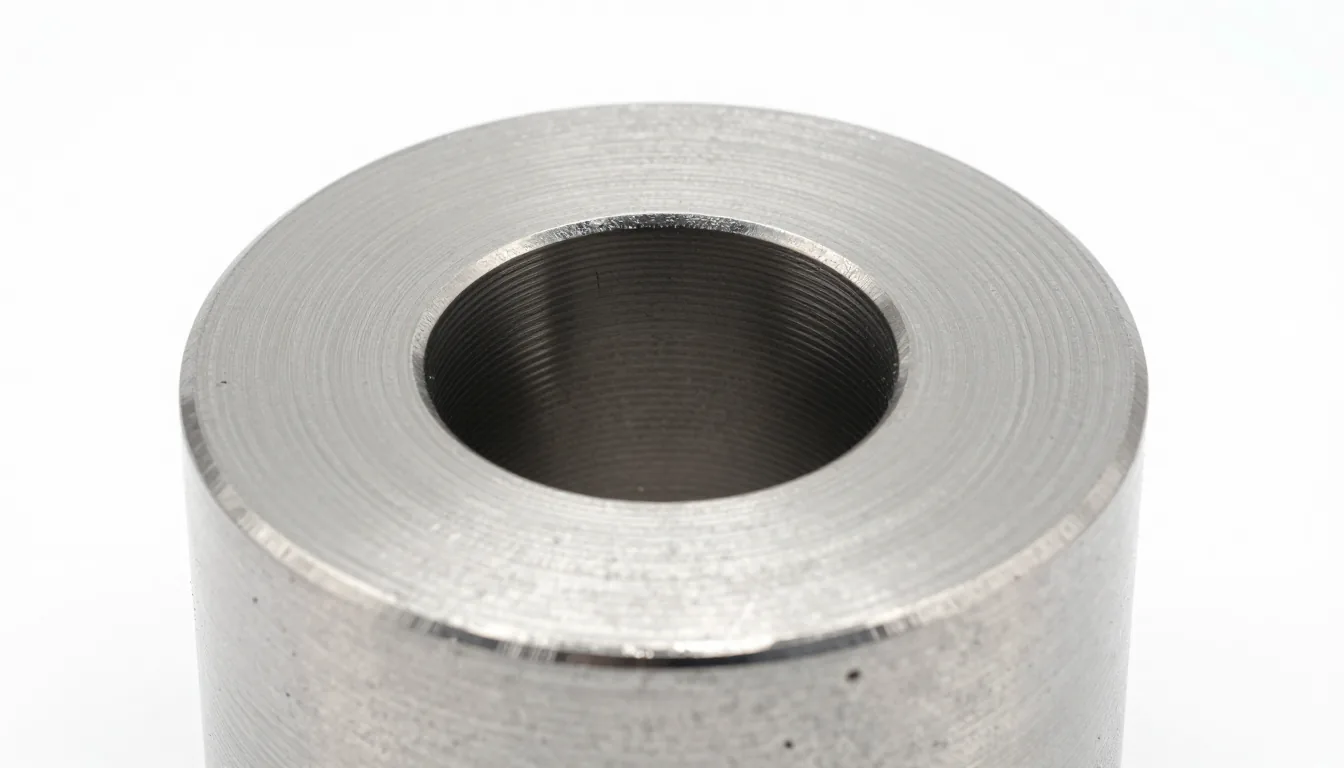
Related products: swc-flansli-sapkalar, sct-flansli-konik-tapalar, tutmali-konik-tapalar, spp-kademeli-tapalar, dfp-disli-tapalar
Looking for Professional Silicone Masking Solutions?
As YÜZEYTEK, we provide professional silicone masking and industrial coating solutions worldwide. Contact us immediately for your needs.
Related Posts
SPP vs SPM Plugs: Stepped Geometry and Selection Criteria
Conical, Threaded, Stepped and Flanged Plugs: What Is the Difference