SPP vs SPM Plugs: Stepped Geometry and Selection Criteria
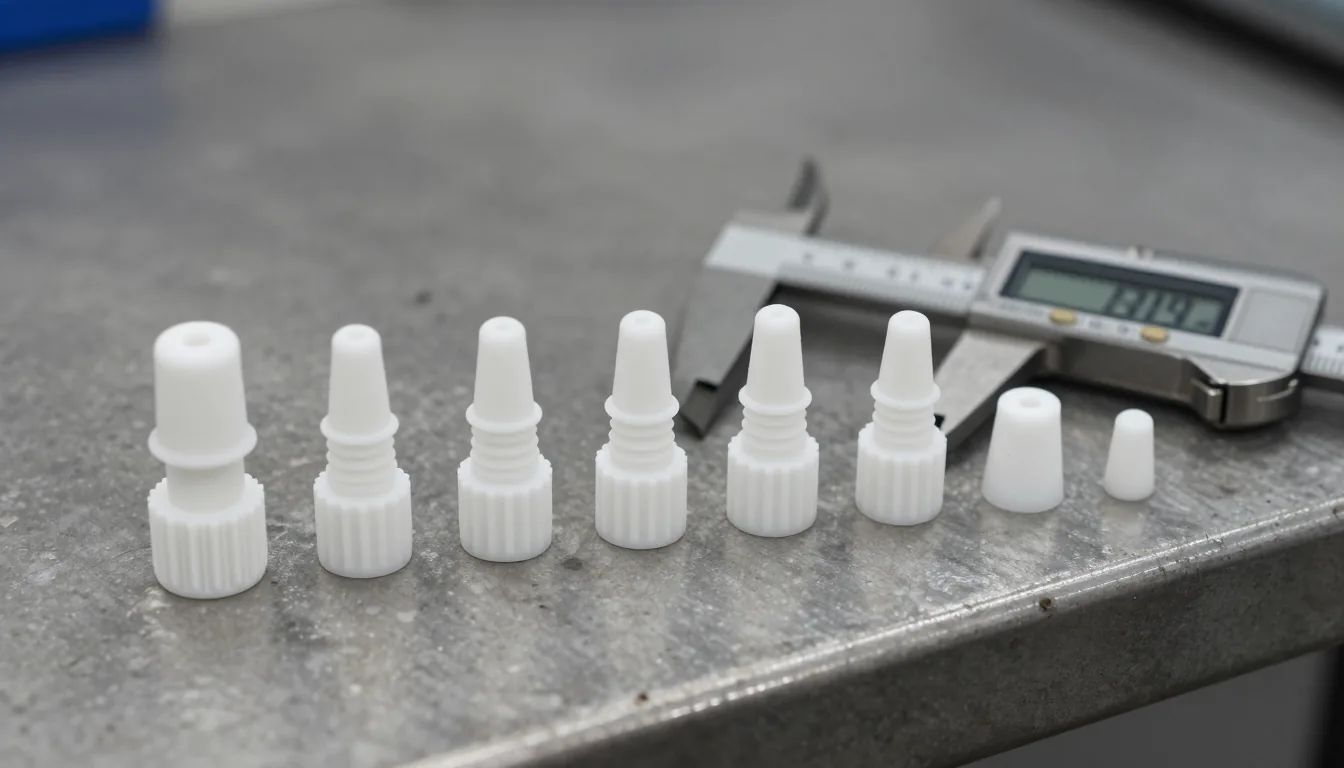
Technical Nomenclature for SPP Stepped and SPM Step Plugs Across Eight Markets
The SPP Stepped Plug and SPM Step Plug are distinct families of high-temperature silicone masking components used in industrial coating processes. While they share the base material of silicone, their nomenclature varies significantly across European, Middle Eastern, and Eastern European supply chains due to linguistic conventions and regional industrial standards.
European Technical Terminology and Phonetic Variations
In the German and Eastern European industrial sectors, precision is often reflected in compound nouns. The term "Stufen" in German and "Stopfen" indicates the specific mechanical action of the plug within a borehole.
- English: SPP Stepped Plugs (Ess-pee-pee Stepped Plugs)
- German: SPP Stufen-Maskierstopfen (Stoo-fen Mask-ee-er Stop-fen)
- Spanish: Tapones escalonados SPP (Ta-po-nes es-ca-lo-na-dos)
- Polish: Korki stopniowane SPP (Kor-ki stop-nio-va-ne)
- Romanian: Dopuri etajate SPP (Do-pu-ri e-ta-ja-te)
For the SPM family, the English term "Step" refers to the singular geometric feature that defines the product. This single step geometry is crucial for its specific use case in shallow bores.
| Language | SPP Term | SPM Term |
|---|---|---|
| English | SPP Stepped Plugs | SPM Step Plugs |
| German | SPP Stufen-Maskierstopfen | SPM Stufenstopfen |
| Spanish | Tapones escalonados SPP | Tapones escalonados SPM |
| Polish | Korki stopniowane SPP | Korki stopniowe SPM |
| Romanian | Dopuri etajate SPP | Dopuri cu trepte SPM |
Middle Eastern and Eastern European Naming Conventions
Arabic and Russian terminology often utilizes descriptive forms that indicate the nature of the insertion mechanism. In Arabic, "Sadadat" (plugs) combined with "Mutadarriga" (stepped) describes the physical attribute, while the Russian "Probkhi" is used alongside the product code to ensure clarity for importers.
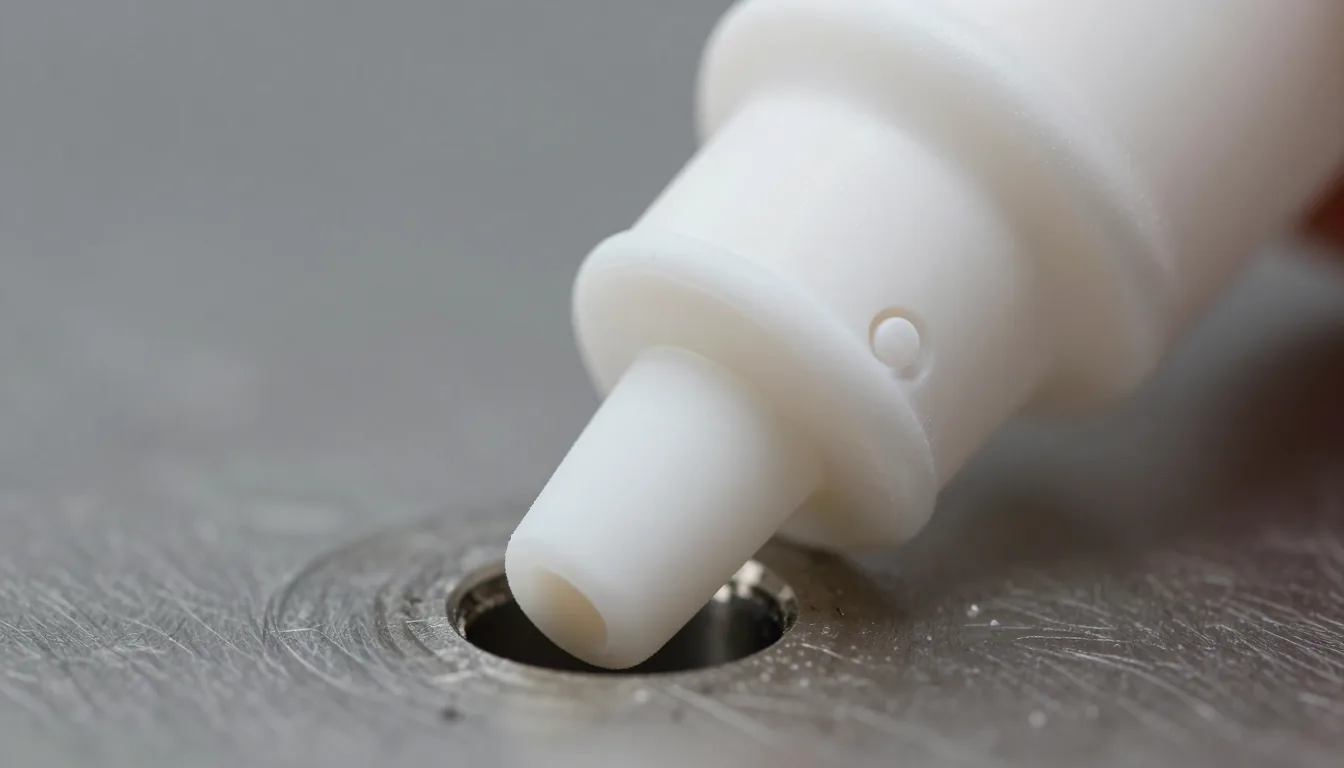
When sourcing these components internationally, ensuring the correct phonetic pronunciation of acronyms like SPP and SPM helps avoid confusion with generic terms like "stopper" or "cap," which lack the specific geometric tolerance definitions required for precision masking in silicone plug applications.
Thermal Performance Limits of the Silicone Matrix for SPP and SPM
Both the SPP Stepped Plugs and SPM Step Plugs are manufactured from industrial-grade silicone elastomers designed to withstand extreme temperature fluctuations. This shared thermal resistance allows both families to function reliably in powder coating and electrocoating (e-coat) processes, which are the most common environments where precision masking is required.
Coating Resistance Between -90°C and +315°C
The primary advantage of the SPP and SPM families lies in their exceptional thermal stability. The silicone matrix remains flexible even at sub-zero temperatures, allowing it to maintain a tight seal against metal surfaces during storage or transport in cold climates. Conversely, at the upper end of the spectrum, the material resists degradation at temperatures up to +315°C, which is critical for curing processes.
Industrial operations such as powder coating typically require exposure to temperatures between 180°C and 220°C. During this curing cycle, the SPP and SPM plugs maintain their structural integrity, ensuring that the coating does not flow into the masked area. The silicone does not outgas excessively or melt, preserving the finish of the metal part and the functionality of the plug itself.
Similarly, in e-coat applications where temperatures range from 180°C to 200°C, both plug types perform without warping. This thermal consistency ensures that the dimensional stability of the plug remains constant throughout the process. The resistance to thermal cycling means that a single plug can often be reused multiple times before it requires replacement, offering a return on investment for high-volume manufacturing lines.
Engineers must consider the thermal expansion of the underlying metal substrate alongside the plug. Because silicone has a higher thermal expansion coefficient than steel, the plug is designed to remain pliable enough to accommodate this expansion without cracking or losing its grip. The ability to withstand -90°C to +315°C without loss of properties defines the operational window for these specific masking solutions.
When selecting between the two, the thermal profile is identical; therefore, the choice relies entirely on the physical geometry of the part being masked rather than temperature tolerance. For more specific thermal data on different silicone variants, consult the technical datasheets for SPM Step Plugs and the corresponding SPP documentation.
Anatomy of Step Geometry: Seating Surfaces and Diameter Transitions
The effectiveness of masking plugs in industrial applications relies on the precise geometry of their stepped shafts and seating surfaces. The SPP Stepped Plugs and SPM Step Plugs utilize a multi-diameter design where each step acts as a mechanical stop, ensuring the plug remains at a fixed depth regardless of the force applied during insertion or the thermal expansion of the surrounding metal during curing.
The Role of Step Count in Engineering Tolerances
The number of steps on a plug directly correlates to its ability to accommodate varying bore depths and diameters within a tolerance range. A single step plug, such as the basic SPM configuration, provides a single reference point for depth. However, SPP Stepped Plugs often incorporate two or more steps. This multi-step design creates a series of interference fits that prevent the plug from being pushed too deep into the hole during the application of masking tape or surrounding materials.
Each step represents a diameter change of a specific measurement, engineered to create friction against the bore wall. The first step usually aligns flush with the surface of the workpiece, while subsequent steps extend inward to lock the plug in place. This geometry ensures that the mask remains visible and easy to remove after the coating process is complete, even if the coating material has bridged small gaps around the insertion point.
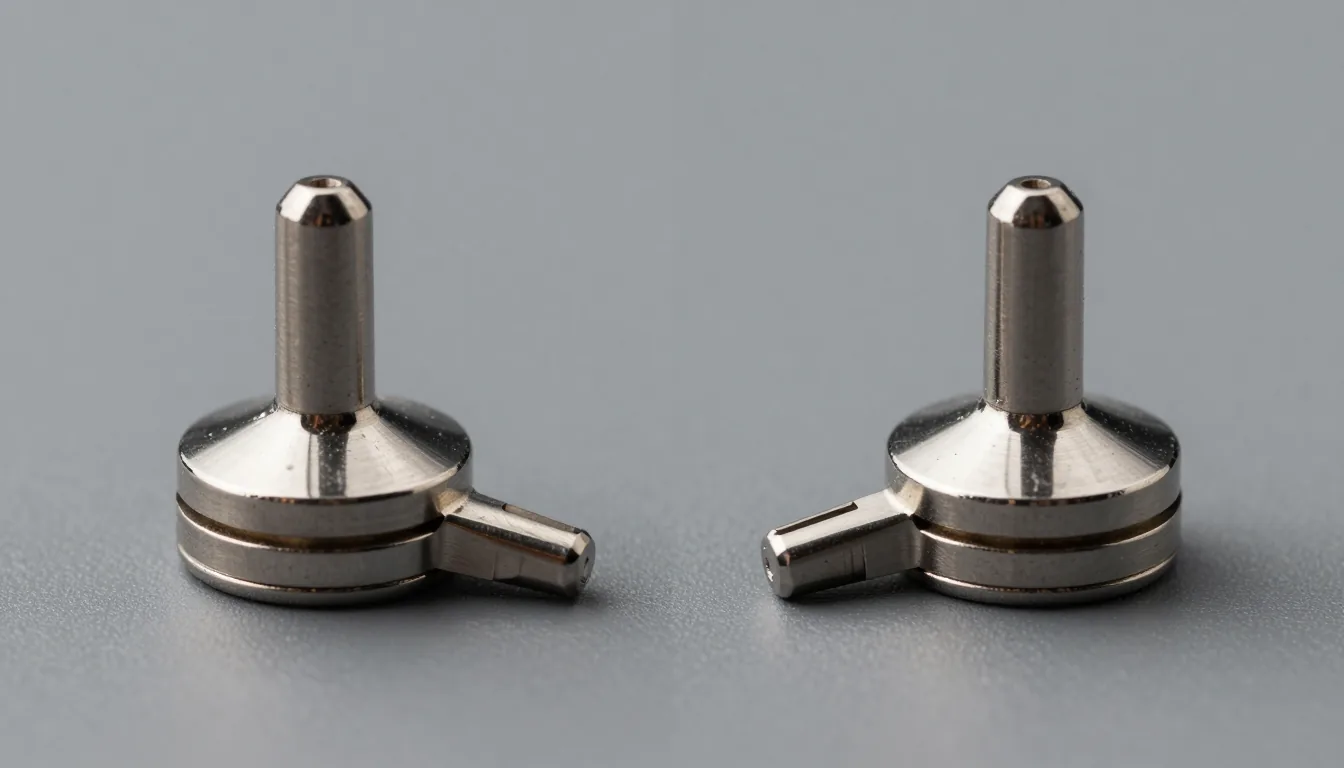
The seating surface at the tip of the plug is equally critical. It is designed to distribute the clamping force evenly against the bottom of the bore or a specific shoulder within the hole. If the seating surface is too small, the plug may bottom out prematurely, leading to a shallow seal that allows paint ingress. Conversely, a correctly sized seating surface ensures a 360-degree seal against the bore wall.
Manufacturers of SPP Stepped Plugs must balance the interference fit with ease of removal. The steps are often slightly tapered or chamfered to allow for easy insertion with standard installation tools, yet they provide enough resistance to stay seated during handling. Understanding the tolerance between the step diameter and the bore diameter is essential for preventing both leakage and deformation of the silicone material.
It is important to note that step measurements vary by specific product series. While the geometric principles remain constant, the exact dimensions are specific to each mold. Always verify the step dimensions against the hole specifications of the part being processed to ensure the masking seal is effective. Improper fit leads to paint bleed, requiring rework and increasing production costs.
Fundamental Geometric Differences Between SPP and SPM Structures
While SPP Stepped Plugs and SPM Step Plugs serve the same broad category of masking, their geometric profiles are engineered for distinct hole profiles and insertion requirements. The fundamental difference lies in the transition angles of the steps and the profile of the tip, which dictates how the plug engages with the bore walls during the thermal cycles of industrial coating.
Comparing Taper Angles and Flat Seating Surfaces
The SPM Step Plugs typically feature a "snap-fit" geometry designed for through-holes or blind holes where a single point of resistance is sufficient. The steps on the SPM are designed with a slight taper leading up to a sharp shoulder. This sharp shoulder provides a hard stop against the bore surface. This geometry is optimized for rapid insertion and removal, making it ideal for high-volume production lines where cycle time is a critical factor.
In contrast, the SPP Stepped Plugs often feature a more complex, multi-step profile. These steps may have a flatter seating surface area or a series of interference rings that distribute pressure over a longer length of the hole. This configuration offers superior sealing performance in holes that may have slight ovality or surface imperfections. The SPP design effectively accommodates irregular bore geometry, providing a positive seal even when the hole is not perfectly round.
The tip geometry also differs significantly. SPM plugs often feature a slightly rounded or dome-shaped tip that aids in self-centering within the bore. This helps prevent the plug from digging into the metal wall during insertion. SPP plugs, particularly those designed for deep or difficult-to-reach bores, may feature a more pointed or tapered tip to facilitate entry into tight or deep recesses.
Choosing between these geometric profiles depends on the required precision of the mask line. For applications requiring a crisp, sharp paint line, the SPM's defined shoulder is advantageous. For applications requiring maximum coverage in variable bore depths, the progressive engagement of the SPP steps is preferred. The SPP geometry acts as a self-adjusting mechanism that conforms to the hole depth, whereas the SPM relies on a fixed depth reference.
Furthermore, the material cross-section of the steps varies. SPP plugs generally maintain a more consistent cross-sectional area to support the stepped structure, ensuring that the silicone does not tear during removal. This durability allows SPP plugs to be used in automated insertion systems where high-speed mechanical forces are applied. The SPM design prioritizes flexibility in the body to allow for rapid compression during insertion.
Understanding these geometric nuances prevents costly errors during the masking setup. Using an SPM plug in a hole designed for an SPP geometry can result in insufficient coverage or difficulty in removal. Conversely, using an SPP plug in a shallow hole designed for an SPM profile may cause the plug to protrude, interfering with adjacent masked areas. Selection must always be based on the specific geometry of the part's feature, not simply the product name.
Hole Depth and Step Seating: Selection Guide for Dual-Depth Parts
Selecting the correct masking plug for parts with variable hole depths requires analyzing the specific depth of the bore relative to the plug's step geometry. In many automotive and aerospace components, a single assembly may feature holes of differing depths, necessitating a mixed inventory of SPP Stepped Plugs and SPM Step Plugs to achieve comprehensive masking.
Scenarios for Using SPP in Shallow Holes
For shallow holes where the bore depth is less than the combined length of the steps, SPP Stepped Plugs may not be the ideal choice. However, in scenarios where the shallow hole has a specific diameter tolerance, the first step of the SPP plug can act as a spacer, preventing the plug from penetrating too deeply and interfering with internal threads or features at the bottom of the bore. This is often required in thin-gauge metal applications where over-insertion could deform the sheet metal or damage the underlying component.
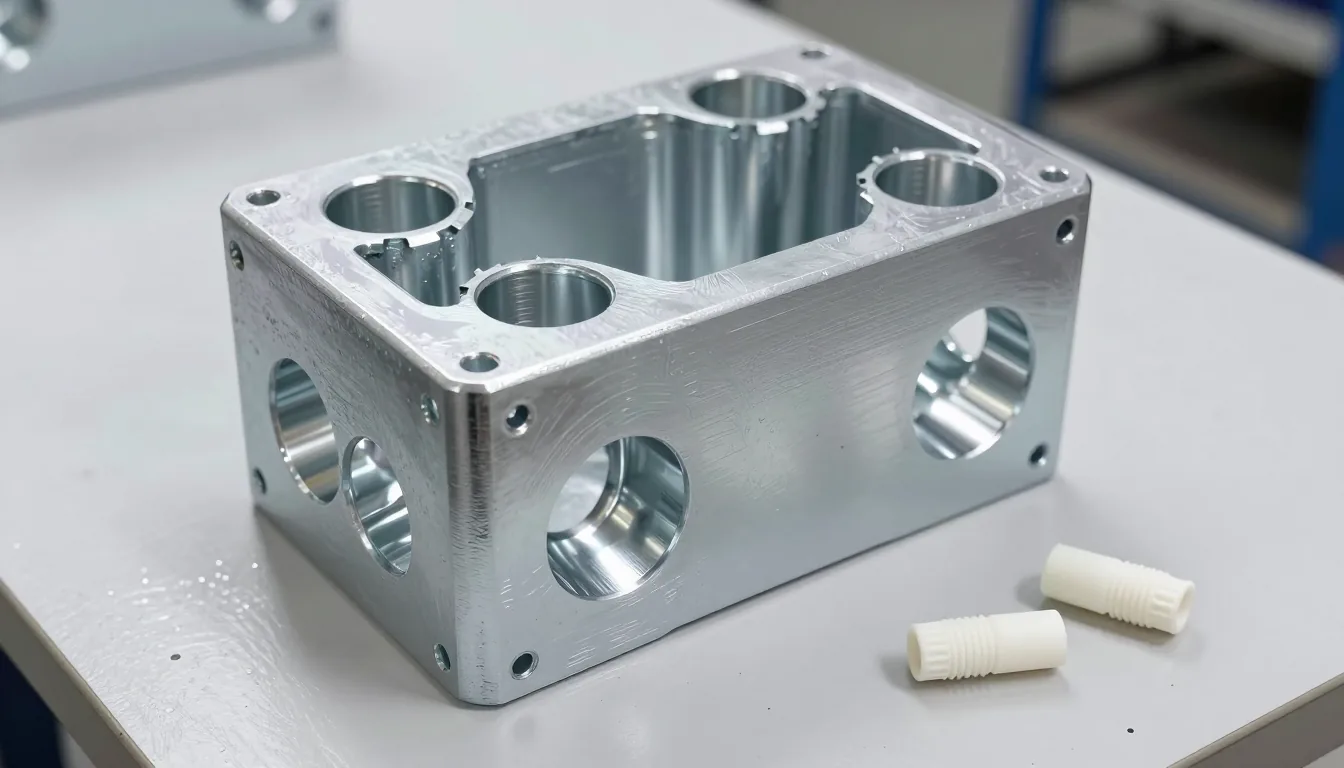
In these applications, the SPP plug is typically selected for its ability to provide a multi-point seal within a constrained depth. The multiple steps create an interference fit that holds the plug firmly without requiring deep engagement with the bottom of the hole. This ensures that the mask remains visible and removable, even in blind holes that are only a few millimeters deep. The SPP's geometry allows it to grip the sides of the bore at multiple elevations, reducing the risk of accidental dislodgment during part handling.
Why SPM Is Preferred for Deep Channels
Deep channels and through-holes generally favor the SPM Step Plugs due to their simpler insertion profile. In deep holes, the primary challenge is friction and the force required to seat the plug. The single-step or double-step design of the SPM minimizes the surface area contacting the bore wall during insertion, allowing the plug to slide easily to the bottom or to its intended seating position.
Furthermore, deep channels often have longer, continuous walls that benefit from the SPM's uniform diameter sections. The SPM plug expands or compresses slightly to fit the bore, creating a seal along a longer stretch of the deep hole. This is particularly important in e-coat processes where the paint bath can penetrate deep cavities if not properly masked.
When dealing with parts containing two different hole depths, the standard practice is to inventory both the SPM and SPP families. By matching the plug to the specific depth-to-diameter ratio of each hole, manufacturers ensure a consistent seal across the entire batch. For a detailed comparison of insertion force requirements, refer to the SMT conical plug guide and the SPM technical specifications. The correct selection directly impacts the cleanliness of the part post-processing.
Impact of Shore A Hardness Variants: Analysis of the 50-80 Scale
The material hardness of masking plugs, measured on the Shore A scale, is a critical variable that affects seal integrity, insertion ease, and removal force. SPP Stepped Plugs and SPM Step Plugs are manufactured in various Shore A grades, typically ranging from 50 to 80, to accommodate different hole finishes and production requirements. Selecting the correct hardness is as important as selecting the correct diameter.
Sealing Advantages and Risks of Soft Silicone
Soft silicone variants (Shore A 50-60) offer superior sealing capabilities in bores with rough surfaces or minor out-of-round conditions. The softer material compresses easily, conforming to microscopic irregularities in the metal surface to prevent paint bleed. This flexibility allows for easier insertion and less stress on the surrounding part geometry. However, the softness presents a risk during removal; the plug may tear if snagged on a burr or sharp edge inside the hole.
Harder silicone variants (Shore A 70-80) provide better retention force and are easier to remove intact from smooth-walled holes. The rigidity allows the plug to "spring back" into its original shape quickly, which aids in extraction. However, using a hard plug in a rough bore may require significant insertion force, potentially causing the silicone to bind or requiring the use of installation tools. The harder material is less forgiving of diameter tolerances, requiring a more precise match between the plug size and the hole diameter.
In automated assembly lines, higher hardness (70-80) is often preferred because the mechanical insertion equipment requires a certain level of rigidity to push the plug into the bore without the plug buckling or folding. For manual applications, softer plugs are favored for the tactile feedback and ease of insertion.
The choice also impacts the durability of the plug itself. Softer plugs may undergo permanent deformation over time, especially if left in a compressed state for extended periods or subjected to high thermal cycles. Harder plugs resist deformation and maintain their original dimensions for longer, extending their service life in high-volume applications. For specific hardness grades, check the product pages where each variation is explicitly listed. Matching the Shore A hardness to the surface finish of the part being masked is the most effective way to ensure a successful masking operation.
Looking for Professional Silicone Masking Solutions?
As YÜZEYTEK, we provide professional silicone masking and industrial coating solutions worldwide. Contact us immediately for your needs.
Related Posts
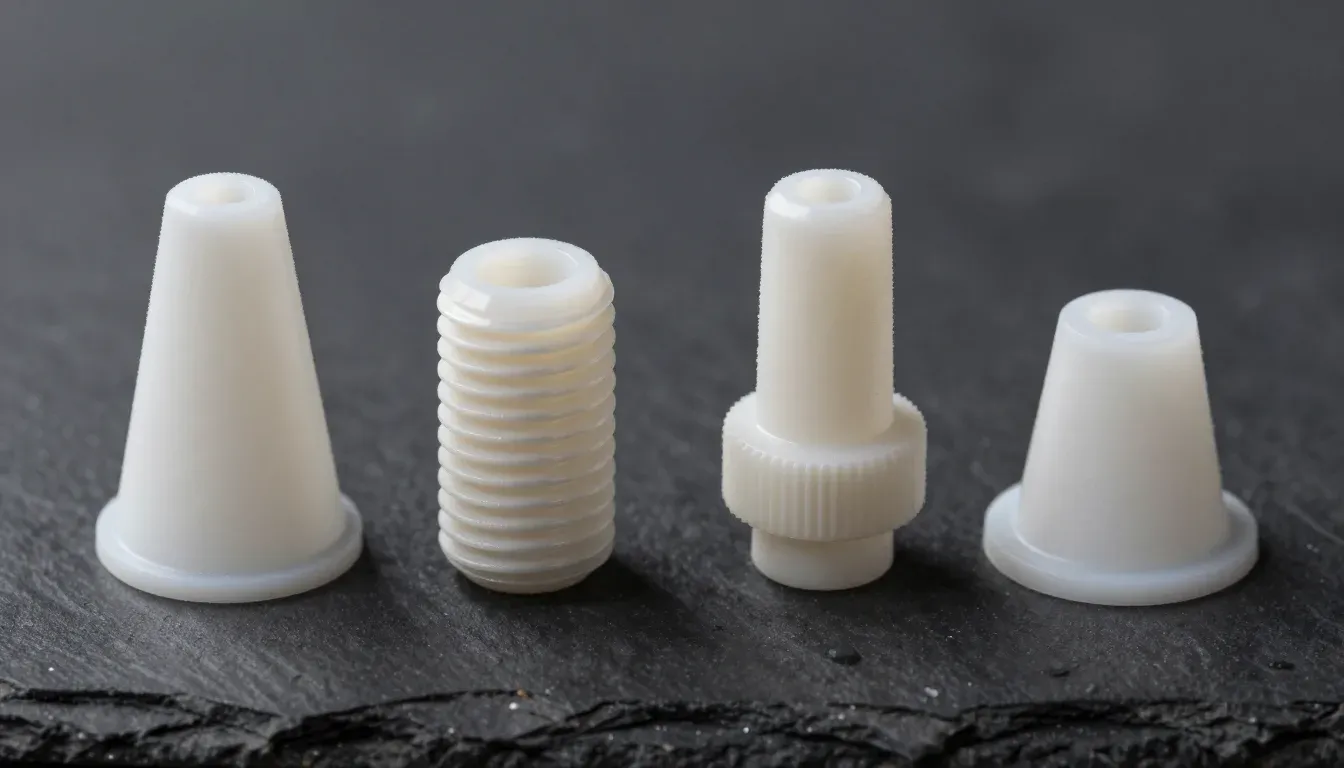
Conical, Threaded, Stepped and Flanged Plugs: What Is the Difference

Plastisol Viscosity: The Right Setting for Dip and Spray