Silicone Plug vs PVC Cap: Chemical Resistance Comparison
Chemical Attack Mechanism: Solvents and Strippers
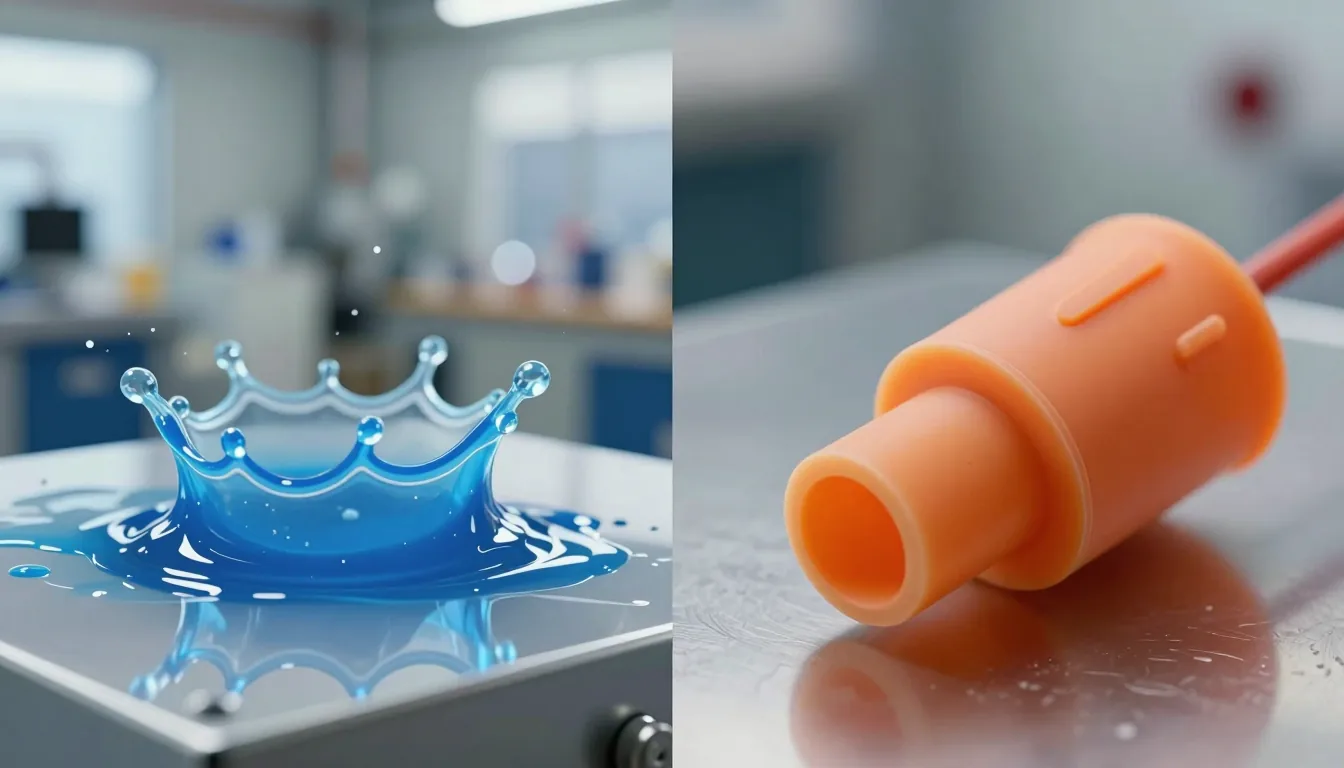
When masking openings in manufacturing, the choice between a silicone plug and a PVC cap dictates whether the seal holds or fails. Solvents and industrial strippers attack these materials differently based on their polymer backbones. Silicone resists polar liquids but swells with non-polar oils, while PVC remains dimensionally stable against aqueous cleaners yet dissolves when exposed to aggressive hydrocarbons.
Polar Solvent Effects on PVC
PVC relies on its rigid carbon-chlorine bonds to maintain a tight seal. When exposed to polar solvents like alcohols or ketones, the material exhibits minimal chemical absorption. This structural integrity prevents swelling and maintains the friction fit within machined bores. However, plasticizers used to soften PVC for flexible masking caps often migrate into polar solvents. As the plasticizer leaches out, the remaining polymer chain tightens. This loss of plasticity causes the cap to become brittle and shrink. Repeated exposure cycles accelerate this hardening. Within hours, a pliable mask transforms into a cracked fragment that fails to retain solvent vapors inside a threaded cavity.
Aromatic Hydrocarbon Effects on Silicone
Silicone features a flexible siloxane backbone that repels polar liquids. This makes it highly effective against aqueous cleaners, acids, and caustic agents used in standard industrial washing. However, non-polar substances pose a severe risk to silicone. Aromatic hydrocarbons such as toluene, xylene, and industrial paint removers easily permeate the elastomer matrix. Upon absorption, the silicone network expands. This swelling alters the physical dimensions of the plug, causing a severe loss of frictional retention. A mask that initially required a tool to seat will pop out of the assembly line fixture after a short immersion in the stripper bath.
Temperature and Chemical Resistance Interaction
Temperature accelerates chemical degradation. A material that withstands a cold solvent might fail rapidly if heated. Both silicone and PVC possess strict thermal boundaries that interact with their chemical vulnerabilities to dictate operational limits.
PVC Softening and Swelling at High Temperature
Standard PVC masking masks typically operate safely up to 177 °C. Exceeding this threshold causes the amorphous polymer regions to soften. This thermal softening reduces the modulus of elasticity. A cap designed for a tight press fit will lose its tension. Simultaneously, elevated temperatures increase the kinetic energy of any trapped solvent molecules. This accelerates solvent absorption and subsequent swelling. During hot wash cycles or paint baking ovens, a PVC cap can permanently deform. Upon cooling, the material shrinks unevenly. This differential contraction leads to micro-cracking. Solvent vapors escape through these fissures during the curing phase, resulting in surface blemishes and defective coatings.
Silicone Thermal Expansion Coefficient and Mechanical Integrity
Silicone elastomers provide exceptional stability across an extremely broad thermal window of -90 °C to +315 °C. This wide operating range means silicone maintains a consistent mechanical grip from liquid nitrogen freezing tests to continuous oven curing. The thermal expansion coefficient of silicone is slightly higher than rigid plastics. This elasticity allows the material to stretch without permanent deformation during rapid thermal cycling. The polymer backbone remains stable without softening. Because the material does not melt or harden, dimensional changes remain entirely reversible. You can safely install these masks before thermal processing, trusting that they will maintain a secure seal throughout temperature fluctuations.
Silicone Plug Material Characteristics
Silicone masks serve as the industry standard for multi-step finishing processes. Their inherent material properties provide robust sealing capabilities across aggressive chemical environments and extreme thermal conditions. Selecting silicone requires understanding its specific inert profile.
Chemical Inertness of Silicone Elastomer
Silicone rubber possesses a siloxane backbone that exhibits broad chemical inertness. It remains stable against many aqueous solutions, weak acids, caustic cleaning agents, and ozone. In electroplating and anodizing lines, these masks protect internal threads and bore holes from acidic etchants. The material does not react chemically with these aggressive solutions. Silicone acts as a physical barrier. It blocks moisture and particulate matter without degrading its structural integrity. This inertness ensures that no toxic residues leach into sensitive manufacturing fluids. The mask can be washed, dried, and reused multiple times before physical replacement becomes necessary. Maintaining this inertness prevents costly contamination of industrial cleaning tanks and plating baths.
Elasticity Preservation at Low Temperatures
A critical advantage of silicone lies in its glass transition temperature. It retains flexibility down to -90 °C. Most thermoplastics undergo a severe phase transition at sub-zero temperatures. They become brittle, lose elongation, and crack easily under stress. Silicone masks maintain their high elongation capabilities in cryogenic applications. When used for aerospace components exposed to sub-zero environmental testing, they resist mechanical shock and vibration. You do not need to remove the mask when the test chamber drops to extreme cold. The material bends with the thermal contraction of the metal assembly without fracturing. This reliable elasticity prevents debris from breaking off and jamming moving parts or clogging fluid lines.
PVC Vinyl Cap Fragility Points
PVC remains a highly cost-effective solution for specific masking tasks. However, understanding its failure modes is crucial to prevent catastrophic masking leaks during production. Recognizing where vinyl fails saves time.
Plasticizer Migration and Hardening Issues
Flexible PVC relies on embedded plasticizer molecules to interrupt polymer chain entanglement. These small molecules provide the softness and friction required to seal irregular bores. Industrial solvents and aggressive wash chemicals extract these plasticizers through a leaching process. As the solvent washes over the mask, it dissolves the plasticizer. The loss of this additive shrinks the physical volume of the mask. The plastic surface becomes rigid and highly brittle. This hardening destroys the initial press fit. A newly installed flexible cap shrinks within a single wash cycle. It loosens entirely, allowing hazardous solvents to penetrate the protected area. You will observe this through a loose fit and a glossy, depleted surface texture.
Lack of Resistance to Chlorine-Based Cleaners
PVC inherently struggles against aggressive chlorine compounds. Chlorine acts as a strong oxidizer that breaks down the polymer chain over time. Industrial wastewater treatment and metal pre-treatment lines frequently utilize chlorine-based disinfectants. Repeated exposure to these chemicals causes surface degradation. The polymer chain loses its molecular weight. This breakdown accelerates UV and thermal aging. You will notice severe surface pitting and discoloration. These micro-cracks serve as entry points for plating baths. When used as temporary protective caps, the structural failure is inevitable. Selecting a vinyl masking solution requires confirming the absence of harsh oxidizing agents in the wash sequence to ensure a reliable seal.
Pre-Treatment and Paint Stripping Applications
Automotive refinishing and heavy equipment painting demand strict chemical barriers. Masking internal cavities during paint stripping involves intense chemical exposure. Choosing the correct material prevents costly rework.
Industrial strippers contain highly concentrated ketones, methylene chloride, or aggressive alkaline solutions. These chemicals strip paint rapidly but attack plastics just as quickly. PVC masks degrade rapidly in these baths. They swell, soften, and release their grip. Silicone handles alkaline strippers with ease. It maintains a tight seal while the solvent dissolves old coatings. For methylene chloride, silicone swells. You must monitor these specific applications closely to prevent the mask from ejecting from the part.
- Alkaline caustic strippers: Silicone performs exceptionally well, offering a tight seal without swelling or leaching. PVC remains chemically resistant but suffers from rapid plasticizer leaching in hot, caustic solutions.
- Organic solvent strippers: Both materials struggle. Silicone swells significantly, while PVC softens. You must limit immersion time or utilize physical barriers in addition to chemical resistance.
- Application sequence: Insert the mask before the stripping bath. Verify retention after the bath but before the wash cycle. High heat curing will melt or deform compromised masks, causing them to fuse to the newly painted surface.
Proper selection prevents stripped paint from accumulating inside threaded ports. You can inspect the assembly before sending it to the curing oven. Silicone conical plugs provide excellent friction retention during these chemical immersion phases.
Automotive and Industrial Wash Lines
Automotive manufacturing relies heavily on automated multi-stage wash and pre-treatment processes. These systems utilize heated alkaline cleaners followed by hot water rinses and deionized water applications. Masking components protect machined surfaces and threads from chemical staining.
During the hot alkaline wash phase, temperatures routinely reach 60 to 80 °C. PVC caps remain dimensionally stable in this thermal range. The hot alkaline solution cleans the exterior of the part without penetrating the mask. Silicone masks also handle this environment flawlessly. However, the critical phase is the subsequent water rinse. High-pressure water jets can dislodge a poor mask. Silicone offers higher elongation, which translates to greater radial gripping force against the bore. This mechanical resilience prevents the mask from being blown out by high-pressure water.
When selecting a mask for automated conveyor systems, reliability supersedes cost. A single fallen mask can contaminate an entire wash tank with particulate debris. The cleaning cycle requires frequent fluid replacement, severely driving up operational expenses. You should evaluate the retention force required by your specific washing machinery. Flanged plugs provide a wider seating surface, making them ideal for high-pressure wash lines where mechanical shear forces are extreme.
Electrochemical Plating Process Material Selection
Electroplating and anodizing involve submerging parts into highly aggressive chemical baths. These processes demand strict chemical compatibility to prevent mask degradation. Failing to isolate the mask from the electrolyte results in contaminated plating baths and defective parts.
Standard plating solutions utilize strong mineral acids, alkaline chromates, or concentrated cyanides. Silicone masks excel in these highly corrosive environments. They exhibit exceptional resistance to nitric acid and sulfuric acid solutions. Furthermore, silicone prevents the migration of plasticizers into the electroplating bath. Plasticizer contamination alters the electrochemical properties of the plating solution, leading to uneven metal deposition on the substrate. By utilizing a highly inert material, you preserve the chemical balance of your bath.
For anodizing lines, which use sulfuric acid and extreme heat, silicone is the definitive choice. PVC masks will absorb the acidic solution. The cap expands, causing severe stress on the threaded opening. As the part moves to the dye bath, the compromised mask allows colored dye to enter internal threads. This requires laborious manual disassembly and re-cleaning. For complex geometric openings in aluminum extrusions, flat head vinyl caps serve well if the chemical exposure is limited to milder aqueous cleaning agents rather than aggressive etchants.
Cost Analysis: Total Cost of Ownership
Evaluating masking components requires analyzing more than the initial purchase price. Total cost of ownership includes procurement costs, inventory management, application time, and rework expenses. PVC and silicone serve distinct financial roles in manufacturing.
PVC is manufactured from standard thermoplastic polymers. High-volume injection molding drives the unit cost down significantly. This makes PVC the undisputed choice for single-use applications in mild environments. If a production run involves a quick assembly followed by a mild solvent wipe, PVC masks offer the lowest entry cost.
Silicone requires complex mixing, molding, and extended thermal curing processes. The unit cost is exponentially higher than PVC. However, silicone provides superior durability. A single silicone plug withstands dozens of chemical wash cycles and thermal oven cycles. You can clean and reuse it repeatedly. When factoring in the cost of defective parts, the financial calculus shifts. Reworking a masked port requires disassembly, solvent flushing, and re-inspection. This labor quickly eclipses the initial savings of a cheap vinyl cap.
| Factor | PVC Vinyl | Silicone |
|---|---|---|
| Initial Unit Cost | Low | High |
| Expected Lifespan Cycles | 1 to 5 | 50+ |
| Thermal Processing (Ovens) | Not Recommended | Excellent |
| Reusability | Poor | Excellent |
| Cost of Failure (Rework) | High | Low |
| Ideal Chemical Profile | Aqueous Cleaners | Ovens / Acids |
Application Mistakes and Recommended Checklist
Improper installation causes the majority of masking failures in industrial environments. Operators often misjudge the material limits. You must adhere to strict operational parameters to ensure a flawless seal. Following a consistent inspection routine prevents catastrophic production line delays.
Never mix materials within the same chemical bath. A degraded silicone plug can leave microscopic residue behind on the part. This residue prevents proper adhesion of subsequent paint or plating layers. Furthermore, applying a rigid PVC mask into a hot bore causes the plastic to expand immediately. As the bore cools, the mask shrinks faster than the metal, resulting in a loose fit. Temperature matching during installation is critical for thermoplastics.
- Check material ratings: Verify your exact solvent concentration. Silicone fails with non-polar aromatic hydrocarbons; PVC fails with aggressive oxidizers and high heat.
- Match temperature limits: Ensure the mask material handles the maximum process temperature (Silicone +315 °C; PVC +177 °C).
- Inspect for plasticizer depletion: Check PVC caps for hardening and surface discoloration after solvent washes.
- Verify dimensional tolerances: Ensure the plug diameter accounts for thermal expansion during hot wash phases.
- Assess mechanical shear: Confirm the mask design features a retention flange if exposed to high-pressure fluid jets.
Standardize your application process. Use dedicated tooling to press masks into deep cylindrical bores. Cylindrical caps require exact axial seating to provide adequate friction resistance against fluid ingress.
Decision Matrix: Correct Material Selection Strategy
Choosing the optimal mask requires mapping your specific chemical and thermal exposure. This matrix guides you through the critical selection criteria. Align your operational reality with the verified performance boundaries of each polymer.
Operational safety dictates that you never assume chemical compatibility. Always evaluate the worst-case scenario, including accidental chemical spills or temperature excursions in heating ovens. The following matrix provides a direct comparison of verified characteristics and operational limits. Use this data to inform your engineering specifications.
| Selection Criteria | Silicone Mask | PVC Vinyl Cap |
|---|---|---|
| Operating Temperature Range | -90 °C to +315 °C | -60 °C to +177 °C |
| Polar Solvent Exposure | High Resistance | High Resistance |
| Aromatic Hydrocarbon Exposure | Severe Swelling | Dissolves / Degrades |
| Aqueous Wash Cycles | Excellent | Adequate |
| Oven Curing | Excellent | Not Recommended |
Evaluate the physical geometry of the port. Use vinyl caps for temporary protection against dust, water splashing, and mild detergents. Choose silicone when the part must enter a thermal curing oven or an electrochemical plating tank. Understanding these distinct material boundaries prevents the production line from grinding to a halt due to unexpected chemical degradation.
Looking for Professional Silicone Masking Solutions?
As YÜZEYTEK, we provide professional silicone masking and industrial coating solutions worldwide. Contact us immediately for your needs.
Related Posts
Silicone Plugs Guide: Types, Applications, and How to Choose SMT or DFP
What Is a Silicone Masking Plug? How It Works in Powder Coating and E-Coat