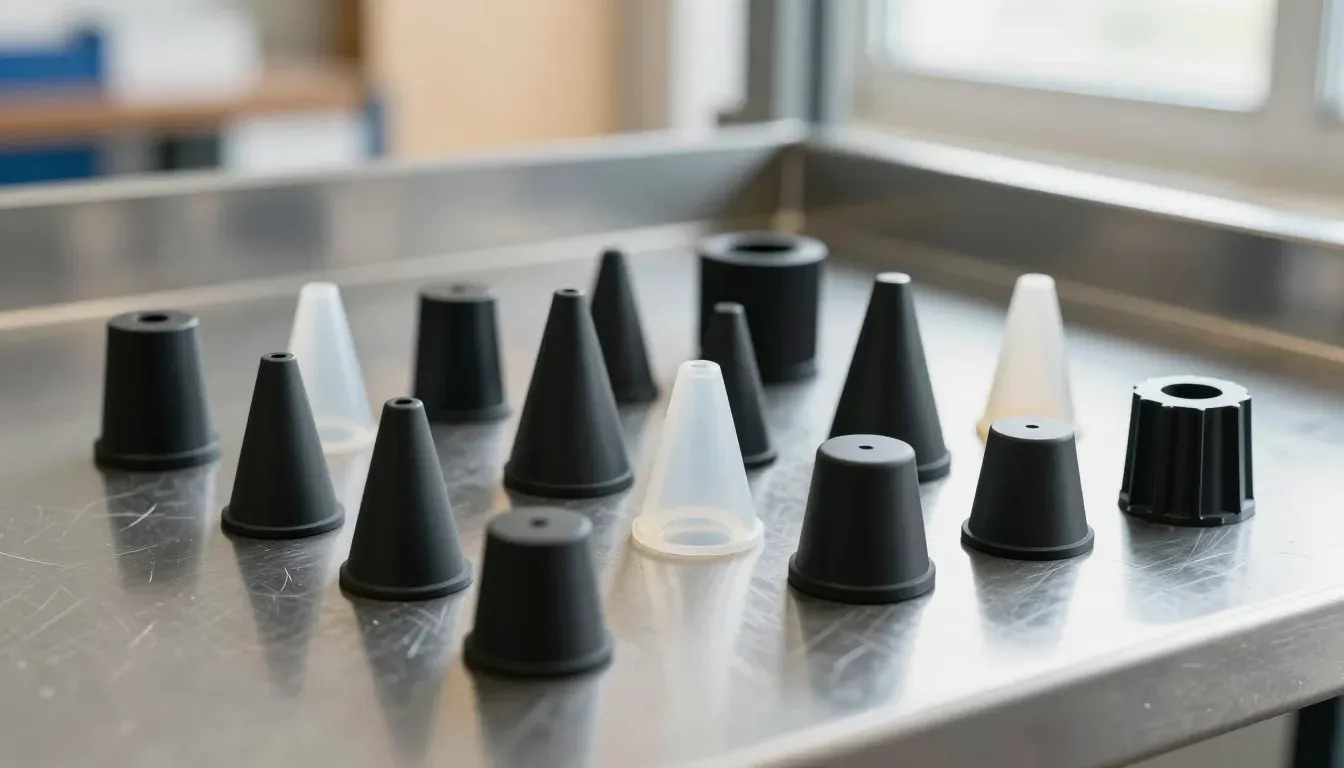
Test Plug Extrusion Failure: Causes and Fixes
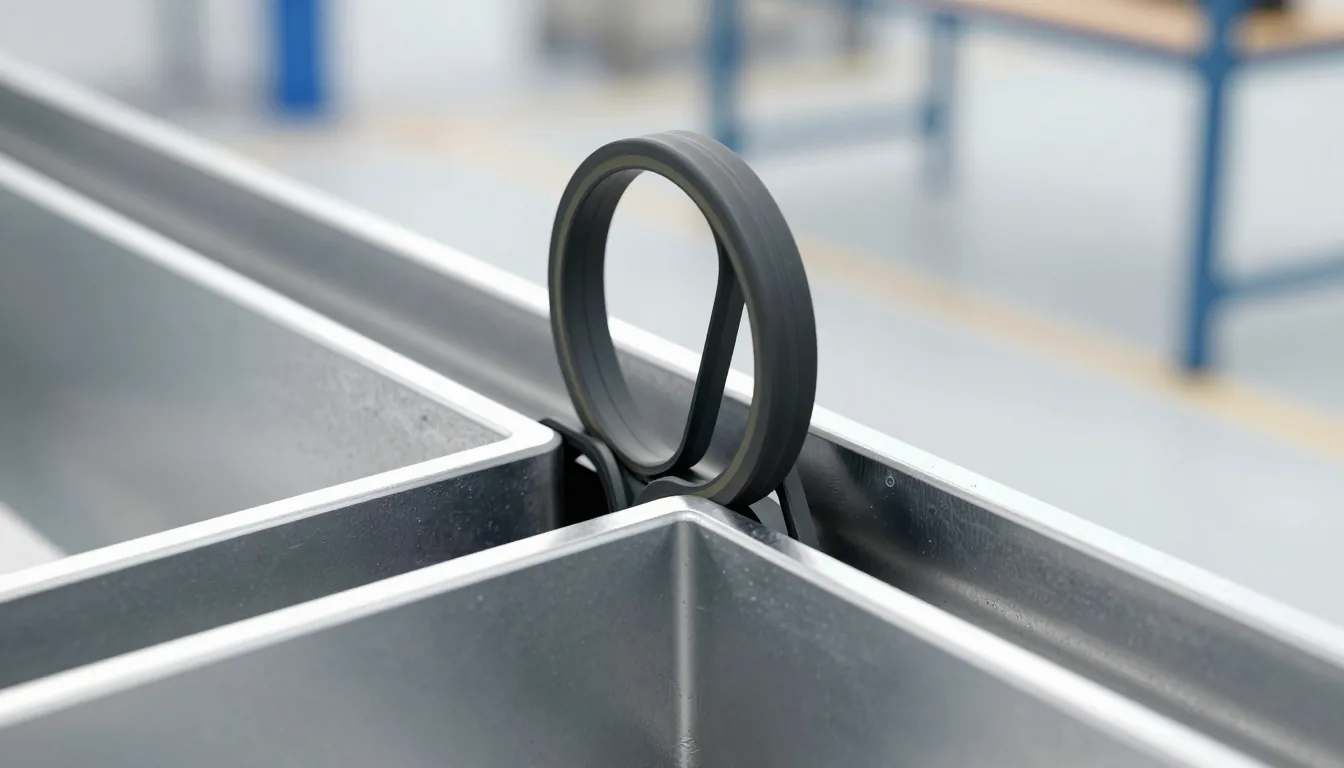
The Critical Role of Extrusion Failure in Hydraulic Test Seals
Plug extrusion is the primary cause of premature seal failure in high-pressure hydraulic environments. This occurs when the sealing compound is forced out of its housing groove due to excessive pressure or insufficient material resistance, rendering the test plug ineffective and potentially causing catastrophic leaks.
Understanding the mechanics of this failure is not merely a troubleshooting step; it is a fundamental requirement for maintaining the integrity of fluid testing systems. When a plug extrudes, it ceases to provide a positive seal, leading to fluid loss, pressure instability, and equipment damage. The problem is often misdiagnosed as a material defect, but in most cases, it stems from a mismatch between the plug’s physical properties and the geometric constraints of the receiving port. Engineers must recognize that extrusion is a predictable outcome when design parameters are ignored. The interaction between the elastomer and the metal port creates a specific stress environment. If the gap between the plug and the groove exceeds the material’s capacity to resist flow, the rubber will migrate. This migration is not random; it follows the path of least resistance, typically toward the low-pressure side of the interface. By identifying the root cause, manufacturers can implement targeted fixes that restore sealing reliability without over-engineering the solution. This article explores the technical relationship between Shore A hardness, groove tolerances, and pressure dynamics to provide actionable solutions for industrial test plug applications.
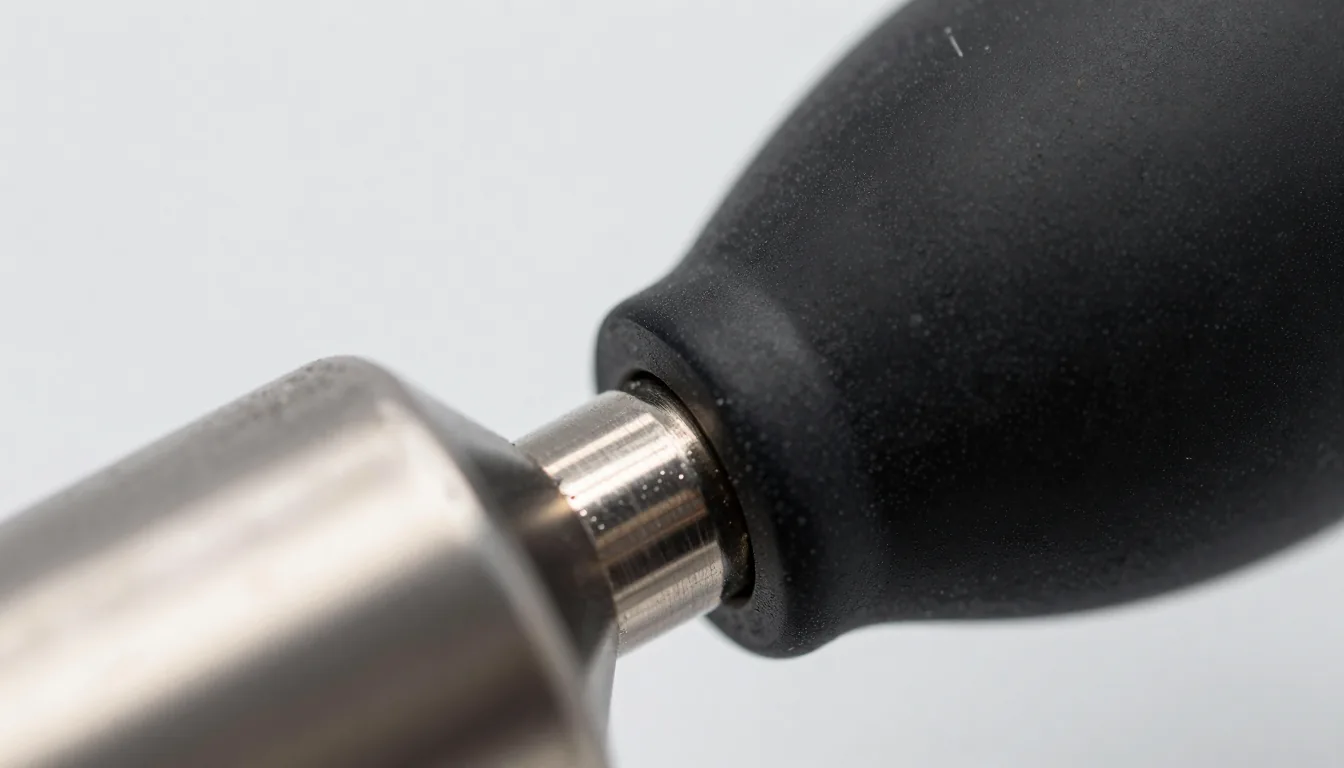
Material Flowability Characteristics and Pressure Relations
Polymer Chain Compression Behavior
Elastomers are not solid blocks; they are complex networks of polymer chains. Under hydraulic pressure, these chains reorient and compress. A low-hardness silicone allows for significant chain displacement, facilitating flow into micro-gaps. The material’s ability to resist this displacement defines its extrusion resistance. Higher cross-link density restricts chain movement, reducing flowability. When pressure is applied, the internal friction between polymer chains generates heat, further lowering viscosity and accelerating extrusion. Understanding this molecular mechanism is critical for selecting the right silicone compound.
Time Dependence and Creep Effects
Extrusion is time-dependent. Short-term pressure spikes may not cause immediate failure, but sustained pressure induces creep. Creep is the gradual movement of material under constant stress. Over time, even a well-designed seal can slowly migrate out of its groove if the material’s viscoelastic properties are insufficient. This slow degradation is dangerous because it often goes unnoticed until a catastrophic leak occurs. Engineers must account for the duration of the test cycle. A plug that survives a ten-second test may fail after ten minutes due to cumulative creep. Evaluating the material’s long-term behavior under static load is as important as assessing its initial elastic modulus. This ensures that the chosen plug maintains its position throughout the entire operational window, preventing delayed failures that disrupt production lines and compromise safety protocols.
Shore A Hardness as the First Line of Defense Against Extrusion
Shore A hardness serves as the primary metric for evaluating a plug’s resistance to deformation. It measures the material’s indentation resistance, which correlates directly with its ability to withstand extrusion. In hydraulic test applications, hardness is not just a measure of stiffness; it is a proxy for the material’s structural integrity under shear stress. Plugs with Shore A ratings between 45 and 80 offer a broad spectrum of durability, but the selection must be precise. A hardness value that is too low results in a soft plug that flows easily into gaps. Conversely, a value that is too high may compromise the plug’s ability to conform to surface irregularities, leading to leakage paths. The optimal range balances deformation resistance with sealing capability. For standard industrial applications, a Shore A value above 60 is typically recommended to provide sufficient margin against extrusion. However, specific applications with extreme clearances may require even harder compounds. The key is to match the hardness to the worst-case pressure and clearance scenario expected during the test. By prioritizing hardness in the selection criteria, engineers can drastically reduce the risk of seal blowout and improve the overall reliability of their testing infrastructure.
The Hidden Danger of Low-Hardness Silicones
The Mechanism of Soft Paste Escaping the Groove
Soft silicone compounds, often used for low-pressure sealing, behave almost like viscous fluids under high hydraulic loads. Their low Shore A rating allows them to deform extensively. When installed in a port with standard tolerances, the pressure differential forces the material out of the confinement area. This is not a tear; it is a flow. The soft paste is squeezed into the annular space between the plug and the housing, eventually breaking free from the groove. Once extruded, the material cannot return to its original position. This irreversible loss of sealing volume is the primary mechanism of failure for low-hardness plugs in high-pressure scenarios. Engineers often underestimate the extent of this deformation until it is too late, leading to unexpected downtime and maintenance costs.
The Fine Line Between Hardness and Elasticity
There is a critical distinction between hardness and elasticity. A plug must be hard enough to resist extrusion but elastic enough to recover its shape after compression. If the material is too hard, it may lack the elasticity needed to seal minor surface imperfections on the test port. If it is too soft, it lacks the structural integrity to stay in place. This balance is often overlooked in cost-driven procurement decisions. Cheaper, lower-hardness compounds may seem adequate initially, but they fail to maintain the seal under dynamic loading conditions. The industry standard for silicone compounds allows for a wide range, but selecting the lower end of the spectrum for high-pressure applications is a common error. Correcting this involves understanding the specific requirements of the test environment and choosing a compound that offers both resilience and resistance to permanent set.
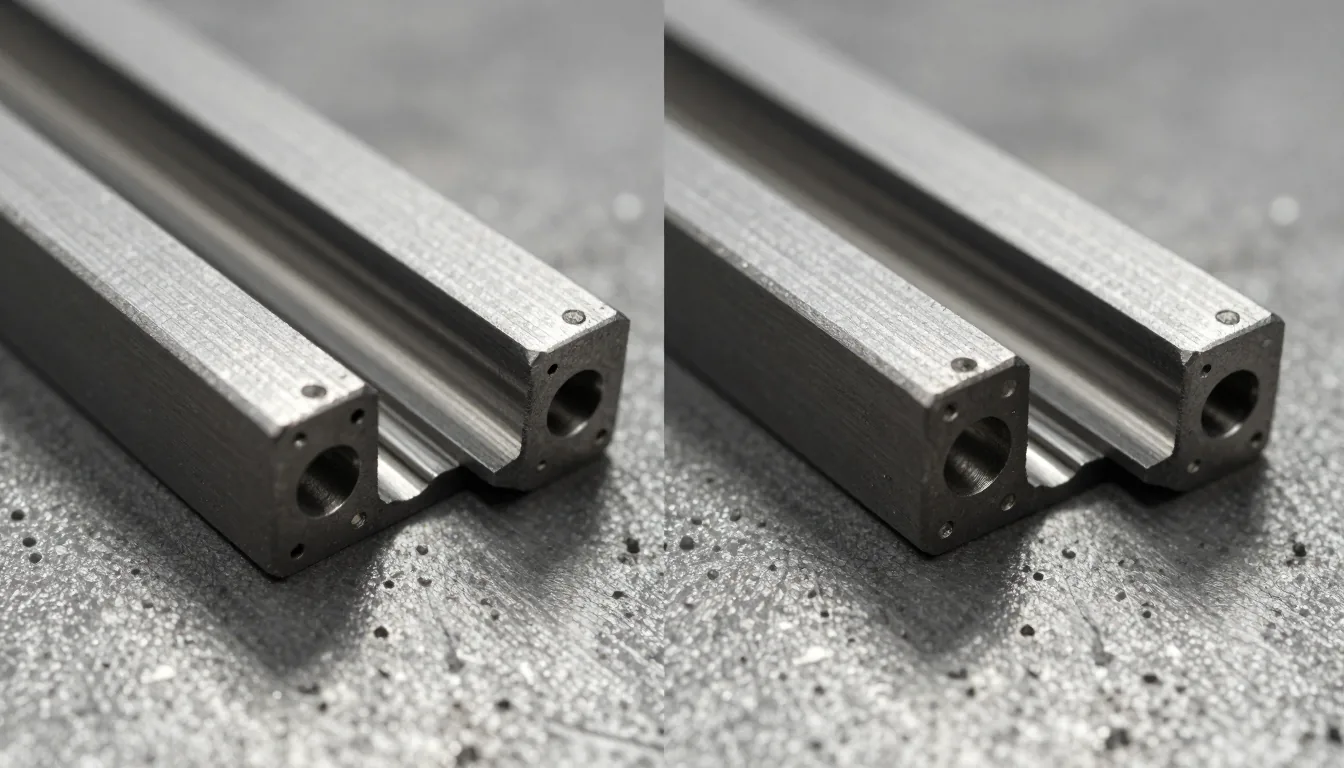
Errors in Groove Tolerances and Clearance Calculations
Geometric precision is as vital as material science. Groove depth and width must be calibrated to restrict the plug’s movement. If the groove is too deep or too wide, the plug has room to expand and migrate. Engineers often calculate clearances for assembly ease rather than sealing performance. This approach is flawed for high-pressure applications. The radial clearance between the plug body and the housing wall is the primary pathway for extrusion. Even minor deviations from the nominal dimensions can drastically increase the flow rate of the elastomer. Standard machining tolerances may introduce gaps that are negligible in low-pressure systems but critical in high-pressure tests. A systematic review of all relevant DFP toothed plugs and housing dimensions is necessary to identify these discrepancies. It is not enough to verify that parts fit; one must verify that they fit within the strict limits required to maintain positive displacement sealing. Overlooking these small dimensional errors is a leading cause of intermittent leaks that are difficult to diagnose and resolve in the field.
Compression Dynamics of Metal Groove Geometry on the Seal
The Effect of Groove Depth on Shape Memory
Groove depth determines the compression ratio of the seal. Insufficient depth fails to compress the material enough to generate the necessary sealing force. Excessive depth, conversely, allows for unconstrained expansion. Both scenarios increase the risk of extrusion. The material must be compressed to a specific percentage to lock it in place. This compression triggers the material’s shape memory effect, creating a constant outward force against the groove walls. If the geometry does not support this state, the material relaxes and creeps outward. Proper design ensures that the material remains in a state of high stress, resisting any force that would push it out of confinement.
Drainage of Material Flow to Corner Radii
Sharp corners in the groove act as stress concentrators. They can cut the material or, conversely, create pockets where material accumulates and flows uncontrollably. Radiused corners guide the material flow smoothly, reducing turbulent stress points. Without proper radii, the material can wedge itself into the corner, initiating a tear that propagates under pressure. Smooth transitions in the metal geometry are essential for managing the plastic deformation of the elastomer. These geometric features help distribute the stress evenly across the sealing interface, preventing localized failure modes that lead to extrusion.
Quality Control and Material Selection in the B2B Supply Chain
Sourcing consistent materials is a challenge in global B2B supply chains. Variations in compounding recipes can lead to inconsistent hardness and extrusion resistance, even within the same nominal Shore A rating. Suppliers may use different fillers or cross-linking agents to cut costs, altering the material’s viscoelastic properties. Procurement teams must enforce strict quality control protocols. Incoming inspection should include not only dimensional checks but also hardness testing and, where possible, compression set analysis. Relying solely on certificates of analysis from suppliers is risky. Independent verification ensures that the received batch meets the engineering specifications. This is particularly critical for SPP stepped plugs, where the geometry dictates precise material loading. Establishing long-term partnerships with suppliers who prioritize raw material consistency over price is a strategic advantage. It reduces the variability in test outcomes and ensures that maintenance teams are not chasing ghost leaks caused by substandard components.
A Balanced Solution Strategy within the Shore A 45-80 Range
The industry standard for silicone compounds spans Shore A 25 to 80. For hydraulic test plugs, the sweet spot is often between 60 and 80. This range provides the necessary stiffness to resist extrusion while maintaining enough flexibility to seal surface irregularities. Using a compound from the lower end (25-40) is reserved for very low-pressure applications or specific conforming tasks. Using the upper end (70-80) is preferred for high-clearance environments or aggressive media. The strategy involves matching the hardness to the specific pressure profile of the test. Engineers should create a matrix of pressure versus clearance to select the optimal Shore A value. This data-driven approach eliminates guesswork. For instance, a test port with wider machining tolerances might require a Shore A 75 plug, while a precision-machined port might function well with Shore A 60. This granular selection process prevents the over-specification of materials, which can lead to installation difficulties and premature wear, while simultaneously guarding against under-specification and failure.
Design Changes: Decision to Narrow Grooves and Increase Hardness
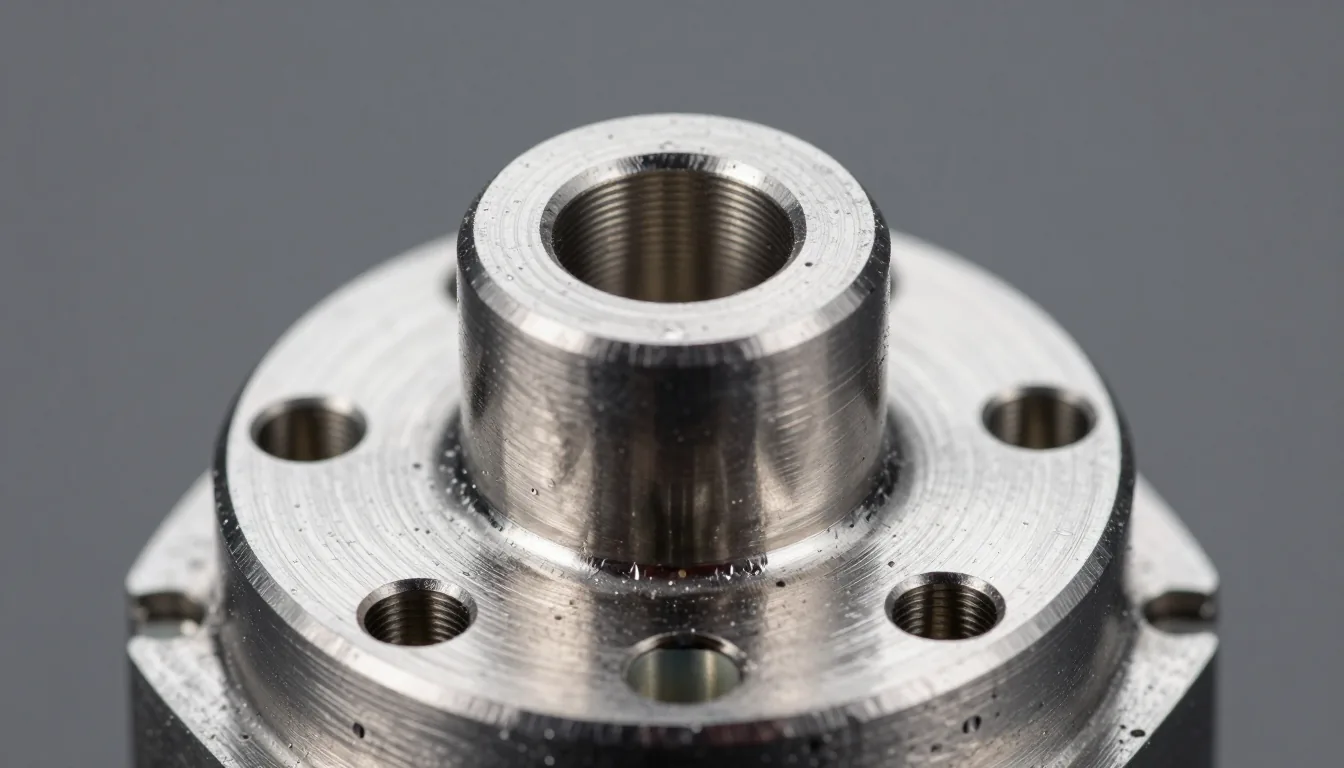
When extrusion is persistent, design modifications are required. The two primary levers are reducing the extrusion gap and increasing material hardness. Narrowing the groove width or depth directly restricts the volume available for material flow. This is the most effective solution if machining is possible. It physically prevents the material from having a clear path to exit. However, changing the housing geometry may not always be feasible. In such cases, increasing the Shore A hardness of the plug is the alternative. A harder material requires more pressure to extrude. Engineers should evaluate whether a combination of both approaches yields the best result. Often, a modest increase in hardness combined with a slight reduction in clearance provides the highest margin of safety. This dual approach addresses both the geometric and material factors contributing to failure, offering a robust solution that is less sensitive to minor manufacturing variances in either the plug or the housing.
Pre-Application Test Protocols and Risk Mitigation
Leak Testing at the Prototype Stage
Never rely on theoretical calculations alone. Prototype plugs must undergo rigorous hydrostatic and pneumatic leak testing under simulated field conditions. These tests should include pressure cycling to mimic the operational stress of real-world use. Monitoring for volume loss or pressure decay provides empirical data on extrusion behavior. A single static test may miss issues related to thermal expansion or vibration. A comprehensive protocol validates the interaction between the specific YMTP tapered plug and the port geometry. This stage is where design flaws are caught before they enter mass production, saving significant costs associated with field failures and recalls.
Feedback Loop with Field Data
Field data is the ultimate truth. Collecting failure reports from the operational environment allows for continuous improvement. Analyzing the location and nature of the extrusion (e.g., partial vs. total) helps refine the design parameters. If extrusion occurs only after prolonged exposure to heat, the material selection may need to be adjusted to account for thermal softening. This feedback loop ensures that the product evolves to meet the actual demands of the customer’s application, rather than just theoretical standards. For specialized solutions, exploring options like STM through plugs may also be necessary if the standard design cannot be optimized further.
| Parameter | Recommended Range/Action | Rationale |
|---|---|---|
| Shore A Hardness | 60-80 (Standard), 45-60 (Low Pressure) | Balances extrusion resistance with sealing elasticity. |
| Groove Clearance | Minimize radial gap | Reduces the path available for material migration. |
| Corner Radii | Smooth, defined radii | Prevents stress concentration and material tearing. |
| Quality Control | Hardness & Dimensional Check | Ensures consistency in supply chain batches. |
- Ölçü ve delik kontrolü
- Takma yönü ve oturma kontrolü
- Sökme ve tekrar kullanım kontrolü
Looking for Professional Silicone Masking Solutions?
As YÜZEYTEK, we provide professional silicone masking and industrial coating solutions worldwide. Contact us immediately for your needs.
Related Posts
Silicone Plug vs PVC Cap: Chemical Resistance Comparison
Silicone Plugs Guide: Types, Applications, and How to Choose SMT or DFP