Thermal cleaning by pyrolysis.
Paint and deposits are thermally broken down in a low-oxygen environment and separated from the metal surface.

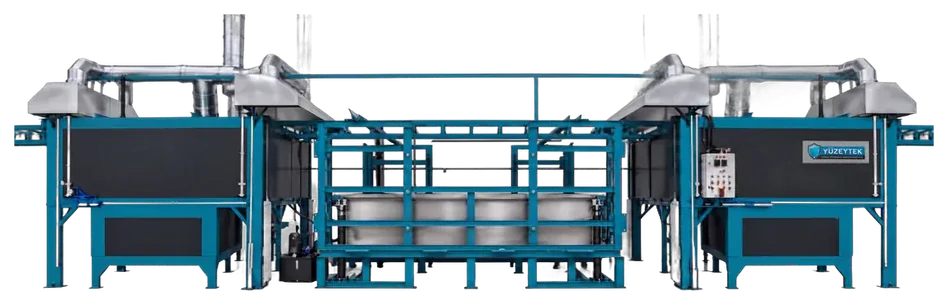
Hook cleaning and paint stripping furnaces are industrial furnaces that clean paint, accumulated oil, grease and polymer coatings on metal parts by the pyrolysis method. Pyrolysis is the thermal breakdown of material under high heat in a low-oxygen atmospheric environment. The furnace does not burn or ignite anything belonging to the parts or equipment placed for cleaning.
Controlled hook cleaning furnaces operate at 425 °C – 485 °C inside the primary cleaning chamber. They are used to clean powder coat, wet paint, cataphoresis coating, grease, polish, rubber, plastic, engine blocks, extrusion dies, heat exchangers and other metal parts. Primary heat input is directed into a chamber containing flame, so only high heat is supplied to the working area where the parts are located, and the parts never contact flame.
During operation, paint and deposits broken down by an endothermic reaction leave a small amount of ash; the resulting gas combines with a high-oxygen flame in the secondary combustion chamber and is discharged at approximately 1,200 °C as environmentally harmless gas. The materials cleaned in the furnace are organic components that do not contain elements such as lead, mercury, cadmium, chlorine, fluorine and sulphur. Ash from paint stripping is classified as non-hazardous waste under code 080118.
During operation, the hook cleaning furnace decomposes paint, sedimented oil, accumulated grease, and polymer through an endothermic reaction, leaving very little ash. The resulting gas combines with high-oxygen flame in the other combustion chamber and is released as environmentally harmless gas at approximately 1,200°C.
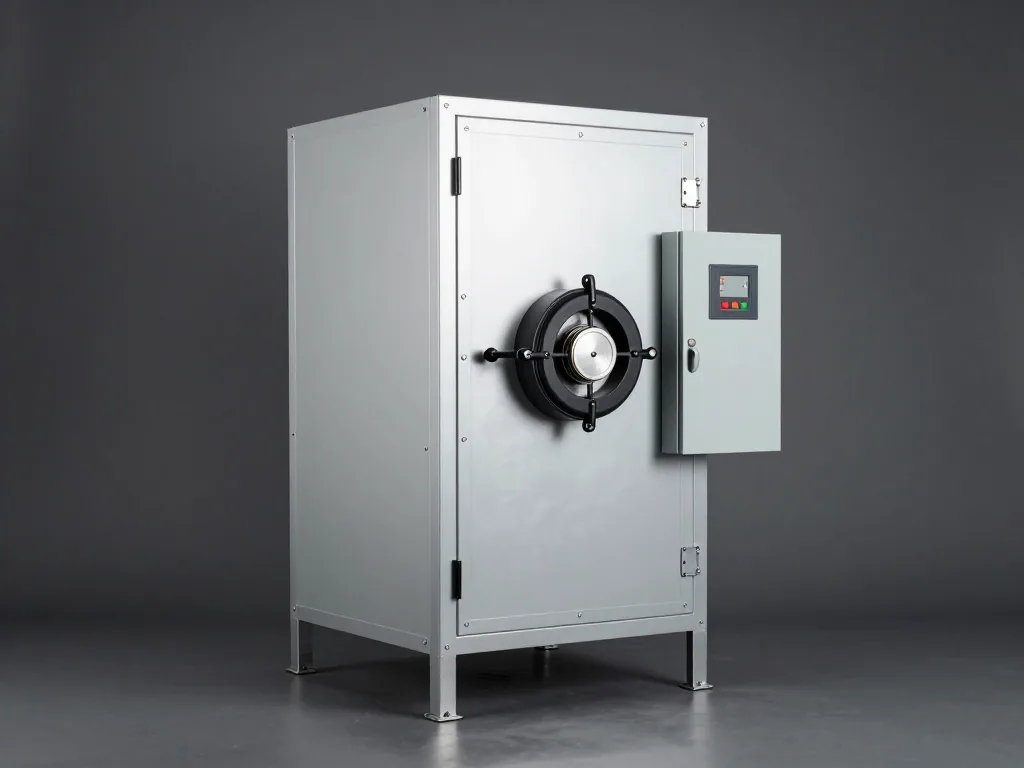
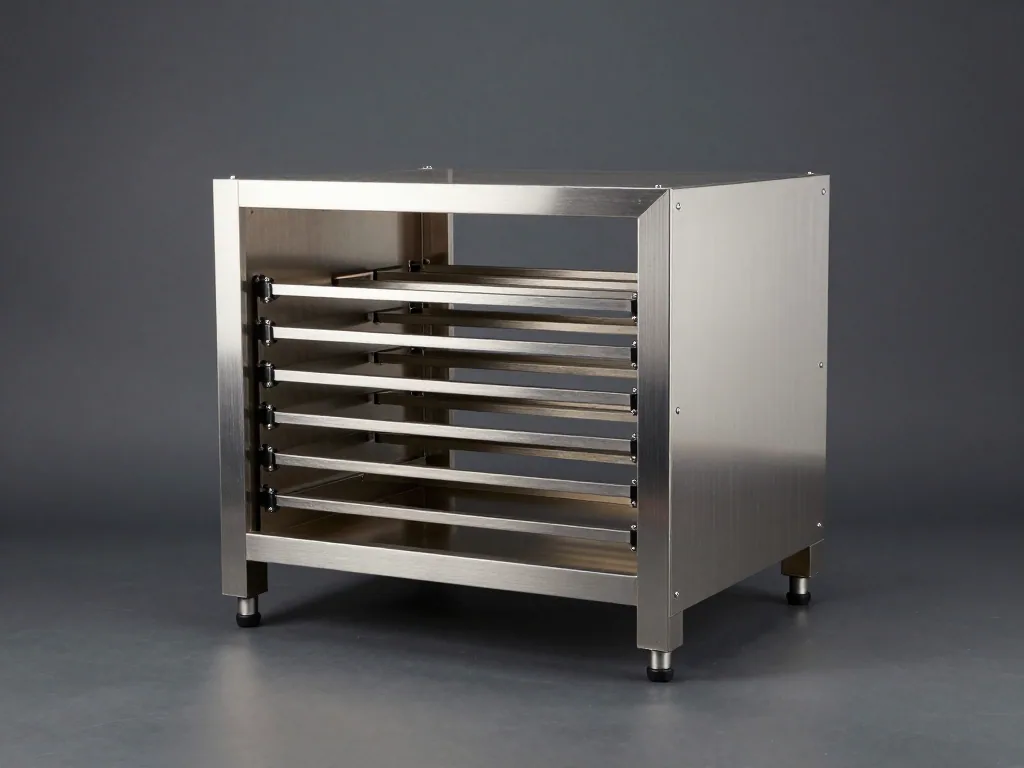
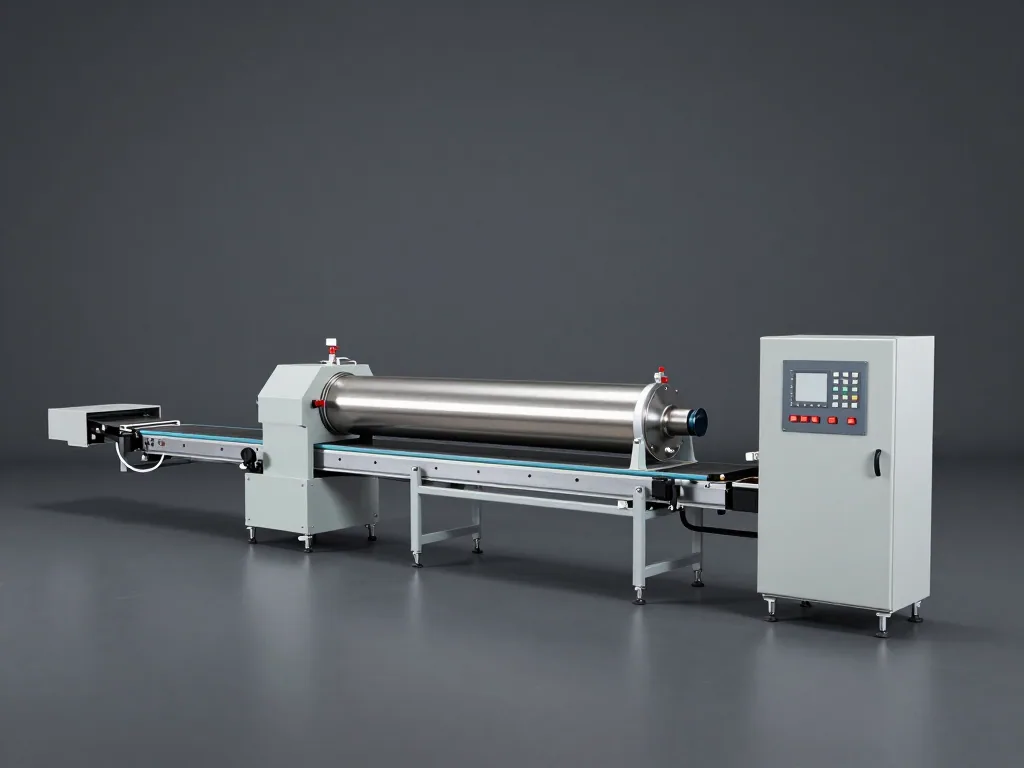
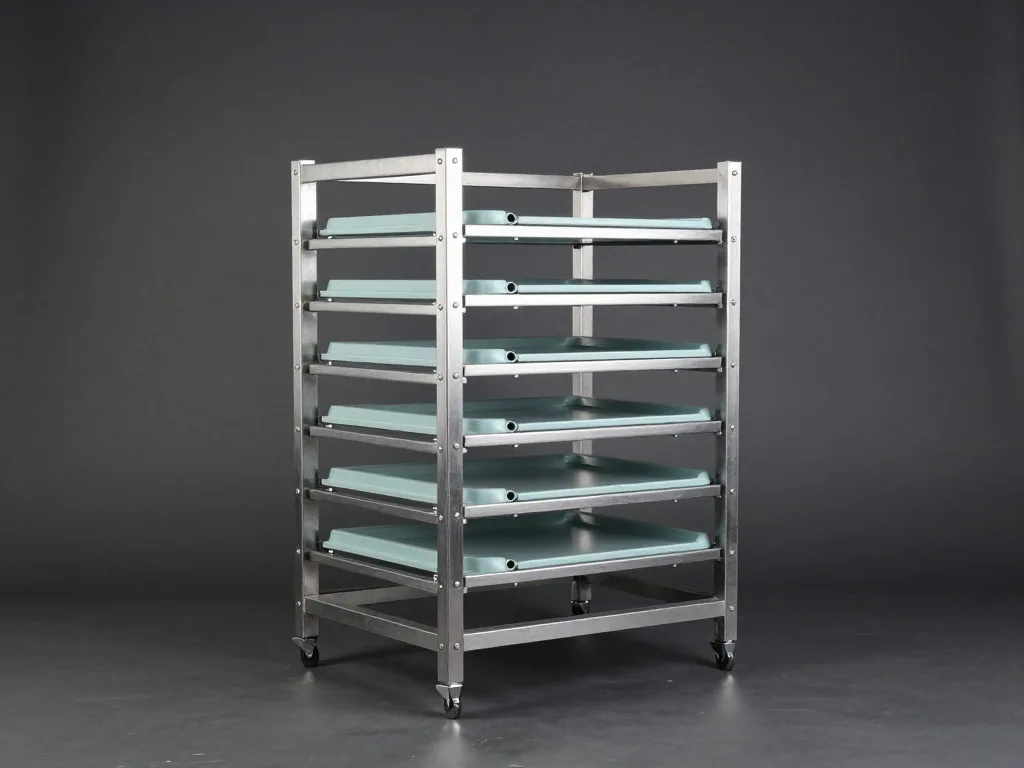
Paint stripping furnaces eliminate both the usage costs of alternative cleaning methods such as open fire pits, bare flame cleaning, hazardous chemicals, corrosive chemicals, and acids, as well as the environmental hazards that may arise from their disposal.
Controlled hook cleaning furnaces are basically process furnaces that operate at temperatures (425°C – 485°C) in the primary cleaning chamber. Our hook cleaning furnaces clean powder paint, wet paint, cataphoresis coating, grease, polish, rubber, plastic, engine blocks, extrusion molds, heat exchangers, or other metal parts.
The purpose of our hook cleaning furnaces is to remove organic material coatings on metal and return metal parts to service or renew them.
In our furnaces, the primary heat inlet burner is directed to a chamber containing flame. Thus, only high heat is delivered to the working area where the parts are located. Parts never come into contact with flame.
Paint and deposits are thermally broken down in a low-oxygen environment and separated from the metal surface.
Heat is supplied through a chamber containing flame; parts in the working area do not meet direct flame.
The primary cleaning chamber operates at 425 °C – 485 °C, supporting monitoring of process conditions.
Powder coat, wet paint, cataphoresis, grease, rubber, plastic, engine blocks and heat exchangers can be cleaned.
It offers an alternative to cleaning with open fires, bare flames, hazardous chemicals and acids.
Ash remaining from paint stripping is classified as non-hazardous waste under code 080118.
The resulting gas is treated at approximately 1,200 °C in the secondary combustion chamber and rendered environmentally harmless.
Organic coatings are removed with the aim of returning metal parts to service or renewing them.
The primary heat chamber and the secondary combustion chamber operate in separate zones, separating heat supply from exhaust treatment.
| Property | Value |
|---|---|
| Product | Hook cleaning and paint stripping furnace |
| Method | Pyrolysis (low-oxygen atmosphere) |
| Operating temperature | 425 °C – 485 °C |
| Exhaust gas temperature | Approximately 1,200 °C |
| Flame contact | Parts do not contact flame |
| Coatings cleaned | Powder coat, wet paint, cataphoresis, grease, polish, rubber, plastic |
| Parts cleaned | Engine blocks, extrusion dies, heat exchangers and other metal parts |
| Waste class | 080118 non-hazardous waste (ash) |
Materials cleaned in the hook cleaning furnace are organic compounds that do not contain elements such as lead, mercury, cadmium, chlorine, fluorine, and sulfur. If these materials are not present in the organic material, it is not possible for the furnace to produce an emission containing any of these components.
The ashes classified as waste from paint stripping are classified as non-hazardous waste with code 080118, so they can be easily used in many areas.