

Mold vs CNC for Custom Plugs: Cost and Timeline
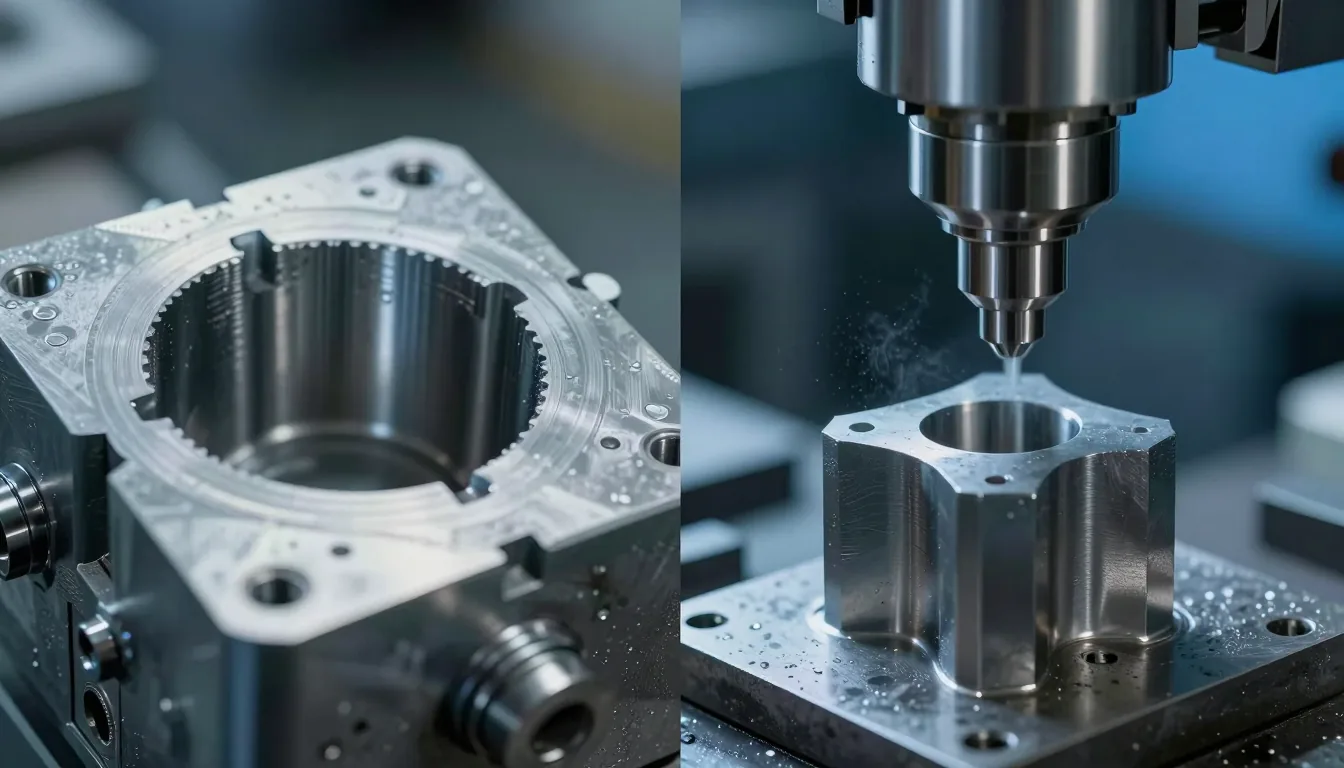
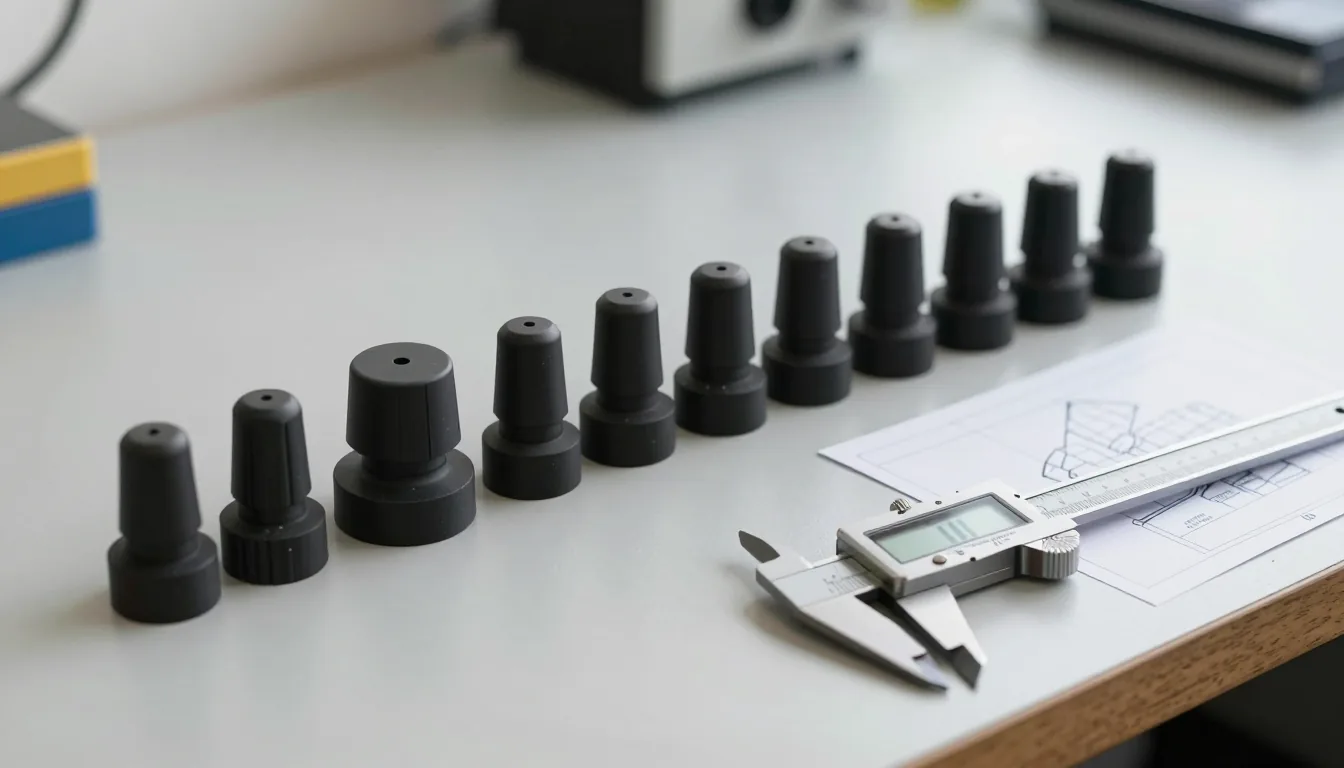
Project Parameters and Custom Plug Measurement Procedures
Choosing between mold manufacturing and CNC machining depends on your annual volume, geometric complexity, and time-to-market requirements. For batches under 500 units, direct CNC machining typically delivers faster lead times and zero tooling costs, while injection or compression molding becomes economically viable only after amortizing tool investment over larger quantities. Since our facility has been operating since 2014, we have refined selection criteria that balance dimensional precision, material properties, and project economics for custom silicone and EPDM plugs.
Dimensional Tolerance and Tightness Requirements
Before evaluating production methods, define the critical dimensions that govern plug performance. Sealing plugs must maintain consistent compression set within specified tolerance bands, often expressed as plus or minus one percent of nominal diameter. Tolerances tighter than zero point zero five millimeters generally require post machining, regardless of whether the part originates from a mold or a machined blank. Wall thickness, corner radii, and draft angles influence both mold cavity complexity and CNC tool path efficiency. When tolerances demand sub-fifty-micron repeatability, evaluate whether the added cost of secondary finishing fits within your total landed cost model.
Material Selection: Silicone vs. EPDM Differences
Material selection dictates available processing routes and long-term sealing reliability. Silicone elastomers excel in high temperature environments and offer excellent ozone resistance, while EPDM compounds provide superior performance against steam, hot water, and polar solvents. Both materials are compatible with silicone raw stock procurement pathways, yet their rheological behaviors differ during forming. Molding demands precise cure scheduling, whereas machining allows incremental stock removal without chemical transformation risks. Confirm chemical exposure profiles early to avoid material substitution penalties mid-project.
Industrial Standards for Mold Manufacturing
Mold-based production establishes a reproducible cavity geometry that transfers surface detail and dimensional accuracy across thousands of cycles. Tool steel grades, cavity finish specifications, and cooling channel design determine cycle time stability and part-to-part variance. For elastomer plugs, two plate or three plate configurations accommodate over molding features or multiple cavities per stroke. Cavity surface treatments such as vapor blasting or chemical texturing control seal lip microgeometry, directly affecting compression force retention. Our mold design and CNC services integrate design for manufacturability reviews that flag undercuts, thin walls, and demolding risks before steel is cut, reducing revision loops that inflate both cost and schedule.
Hidden Costs and Technical Limits in Molding
Beyond the quoted tooling price, mold projects carry embedded expenses that buyers often overlook. Mold maintenance, spare part inventories, and periodic cavity refurbishment extend the total cost of ownership across the tooling lifecycle. Lead time exposure represents another hidden variable: if product specifications evolve after tool cutting begins, cavity modifications require additional heat treatment, welding, and re-polishing. Material lot traceability for medical or automotive grade compounds demands segregated storage and dedicated runners, adding facility overhead. For small batch programs, these fixed costs rarely amortize favorably, making direct machining more transparent on a per unit basis. Evaluate whether your engineering change frequency justifies committing to a fixed cavity geometry.

Logistical Advantages of Direct CNC Production
Direct machining eliminates the tooling queue entirely, converting raw elastomer blocks into finished plugs through subtractive precision. Setup flexibility allows same-day geometry adjustments without steel removal, which compresses development iterations to days rather than weeks. For assemblies combining silicone and EPDM test seals with custom stoppers, coordinated machining runs reduce kitting complexity and inventory carrying costs.
Complex Geometries via Multi-Axis Machining
Five axis platforms execute simultaneous roughing and finishing passes, preserving coaxiality on stepped plug diameters that would require multiple setups on legacy three axis machines. This geometric continuity supports tight concentricity calls without additional fixturing investments.
Surface Roughness and Machining Quality
Cutting parameters and coolant strategy control surface texture to meet sealing specifications. Fine stepover values produce lay patterns that retain lubricant micro pockets, reducing insertion friction during field assembly. Post machining deburring and plasma treatment restore elastomer surface energy for secondary bonding if required by downstream operations.
Time Cost Factors in Machining Processes
While CNC avoids capital equipment commitments, shop time and programming labor constitute the dominant cost drivers in low volume runs. Toolpath simulation reduces air cutting and prevents collisions, but each new geometry still demands post processor validation and dry run verification. Fixturing design adds engineering hours when parts lack datum features, yet modular vacuum or soft jaw systems can be amortized across related plug families. Operators handle material handling between operations, so batching like geometries minimizes setup interruptions. Buyers should request cost breakdowns that separate programming, material, and machine hours to identify optimization levers such as stock pre sizing or common feature grouping.
Break-Even Point: Deciding by Volume
The economic crossover between machining and molding occurs when cumulative per unit machining cost exceeds the amortized tooling plus per unit molding cost over your expected lifetime volume. This break-even calculation integrates several variables rather than a single threshold, as illustrated in the decision framework below.
- Tooling investment divided by projected lifetime quantity determines the per unit tooling allocation.
- Material buy factor differs: machining generates swarf waste while molding controls flash and regrind recovery.
- Secondary operations like drilling, grinding, or coating must be included equally in both scenarios.
- Change order risk adjusts expected volume, because frequent revisions penalize fixed cavity geometries more than reprogrammed tool paths.
Run sensitivity analysis across three volume scenarios to locate the stable decision boundary. When expected lifetime quantities remain uncertain or fragmented across variant families, machining provides optionality value that pure cost models undervalue. For families combining silicone EPDM grommet plugs with specialty variants, consolidated machining programs often outperform divided molding strategies.
CNC Advantages for Low-Volume Projects
Low volume programs ranging from dozens to a few hundred units favor direct machining for three structural reasons. First, zero capital outlay preserves cash flow and avoids depreciation schedules that complicate project accounting. Second, engineering agility supports rapid design validation cycles, enabling plug geometry refinement through physical fit testing rather than theoretical review alone. Third, mixed material families can be produced within a single shop order, simplifying receiving inspection and vendor management. For programs where specification maturity remains provisional, machining functions as a paid prototype stage that transitions seamlessly into serviceable production without additional tooling milestones. This continuity reduces project handoff errors that occur when prototype suppliers differ from production vendors.
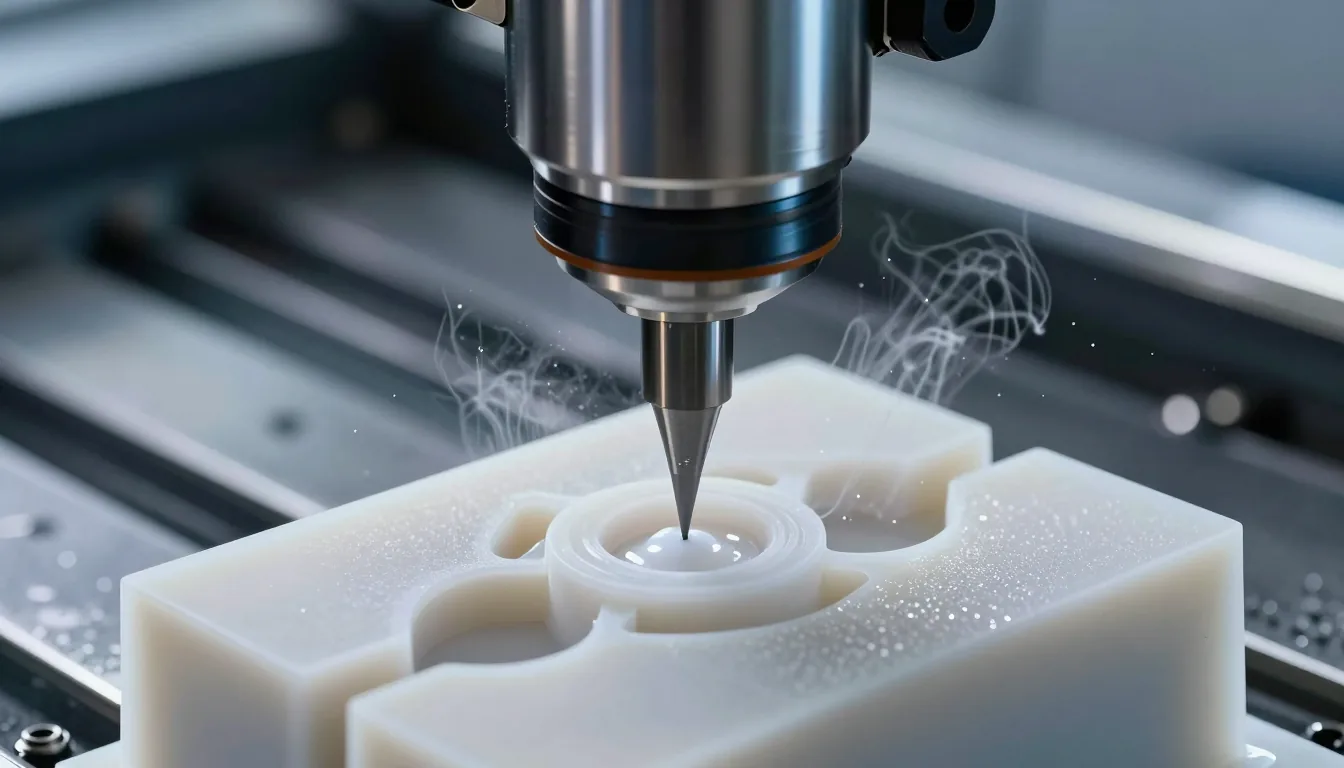
Lead Time Impact on Project Schedules
Lead time composition differs fundamentally between the two methods, and misreading this structure causes downstream schedule failures. Mold programs front load duration into tool fabrication, creating a long initial wait followed by shorter steady state cycles. Machining distributes duration evenly across each order, which benefits just in time replenishment but penalizes large one time buys. Program managers must map lead time against engineering change freeze dates and customer qualification milestones. For time sensitive launches, running parallel machining and tooling quotes early preserves optionality. Once qualification samples receive customer sign off, committing to the appropriate method avoids stranded tooling costs or expedited machining premiums.
Prototype Approval and Transition to Mass Production
Transitioning from prototype validation to full production requires deliberate gate criteria that protect both quality and schedule. Machined prototypes deliver dimensional accuracy suitable for fit and function testing, yet surface characteristics may not fully replicate molded part behavior due to different material flow and skin formation. Plan for a correlation study when customers require molded appearance, especially for plugs visible in final assemblies. DFP external tooth plugs with locking features benefit from molded prototype stages that confirm tooth engagement torque under compression. Define acceptance metrics at each gate: dimensional report, material lot certification, compression load deflection curve, and visual defect sampling plan. Assign ownership for gate reviews so approvals do not become passive email threads that obscure accountability and delay sign off.
Supply Chain Integration and Final Results
Integrating plug suppliers into your broader manufacturing network reduces coordination overhead and improves forecast reliability. Consolidated vendors handling both tooling and machining simplify vendor scorecarding, payment reconciliation, and logistics planning. Request electronic quality data packages at shipment so incoming inspection can shift from full sampling to dock to stock dispositions. For organizations evaluating EPDM grommet plug sourcing across multiple product lines, standardizing on one processing methodology per family simplifies inventory classification and reduces part number proliferation. The decision framework below summarizes when each method fits your operational profile.
| Criterion | Favorable for Mold | Favorable for CNC |
|---|---|---|
| Lifetime quantity | High volume, stable forecast | Low to mid volume, variable demand |
| Change frequency | Design frozen before tool cutting | Iterative refinement during launch |
| Surface finish need | Consistent molded texture preferred | Machined finish acceptable or specified |
| Capital position | Tooling capex available | Expense model preferred |
| Lead time structure | Long front end, short cycles | Predictable per order duration |
Reach out to discuss your plug geometry and projected quantities, and we will model both pathways transparently so your team makes an informed, defensible sourcing decision.
Related products: kalip-tasarimi-ve-cnc-isleme, silikon-hamur, dfp-disli-tapalar, silikon-epdm-test-contalari, silikon-epdm-grommet-tapalari
Looking for Professional Silicone Masking Solutions?
As YÜZEYTEK, we provide professional silicone masking and industrial coating solutions worldwide. Contact us immediately for your needs.
Related Posts
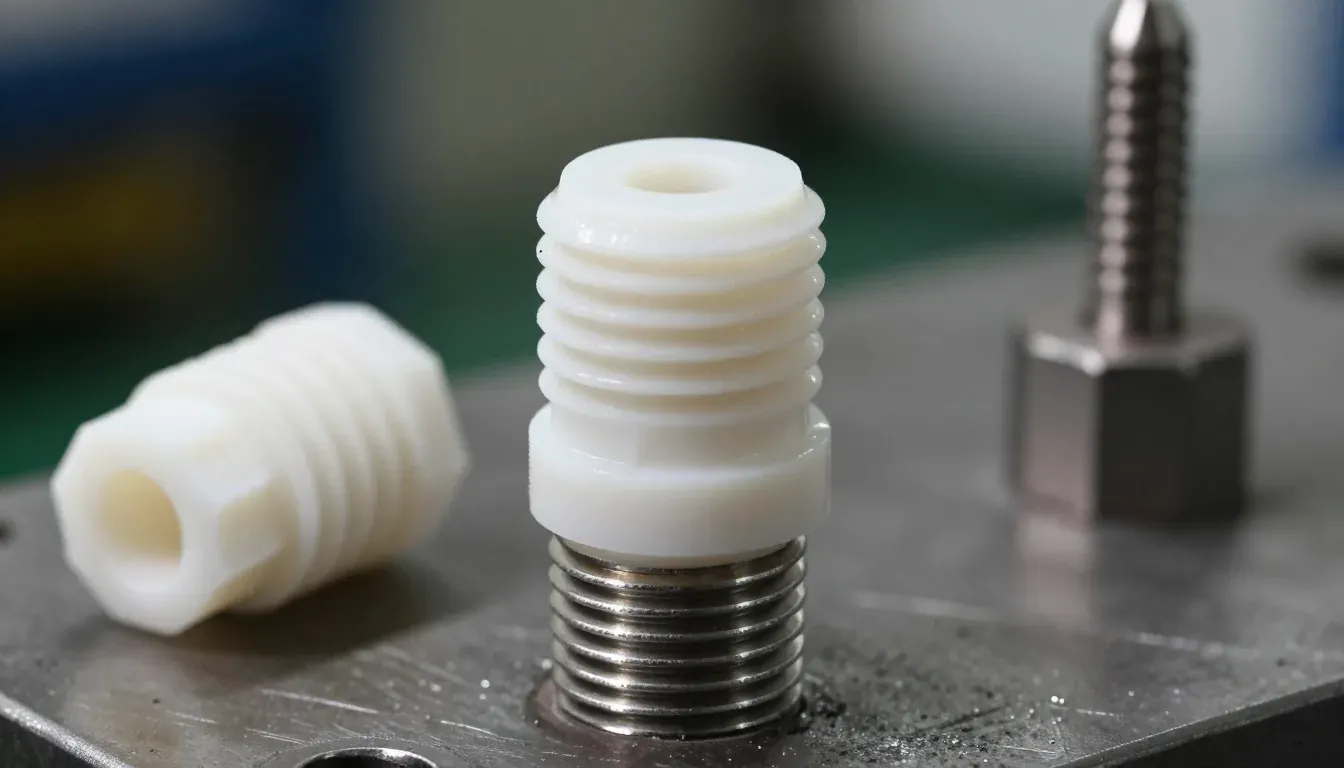
DFP Threaded Plugs: Thread Protection for E-Coat, Paint and Sizing Guide
High-Temperature Masking: What 260 °C and 315 °C Resistance Really Means